

Dynamic Support and Faster Recovery
Calgary is a city defined by movement. From training for the Calgary Marathon to weekend scrambling in the Rockies, pushing your body to the limit is part of the local lifestyle. But when an acute injury, muscle strain, or joint instability threatens to slow you down, you need a recovery tool that supports your body without restricting your performance.
At Shephard Health in Kensington, we utilize Kinesio Taping (also known as kinesiology tape) as a highly effective, non-invasive therapeutic tool. This specialized elastic tape provides structural support, relieves chronic pain, and accelerates healing, all while allowing you to maintain your full, natural range of motion.
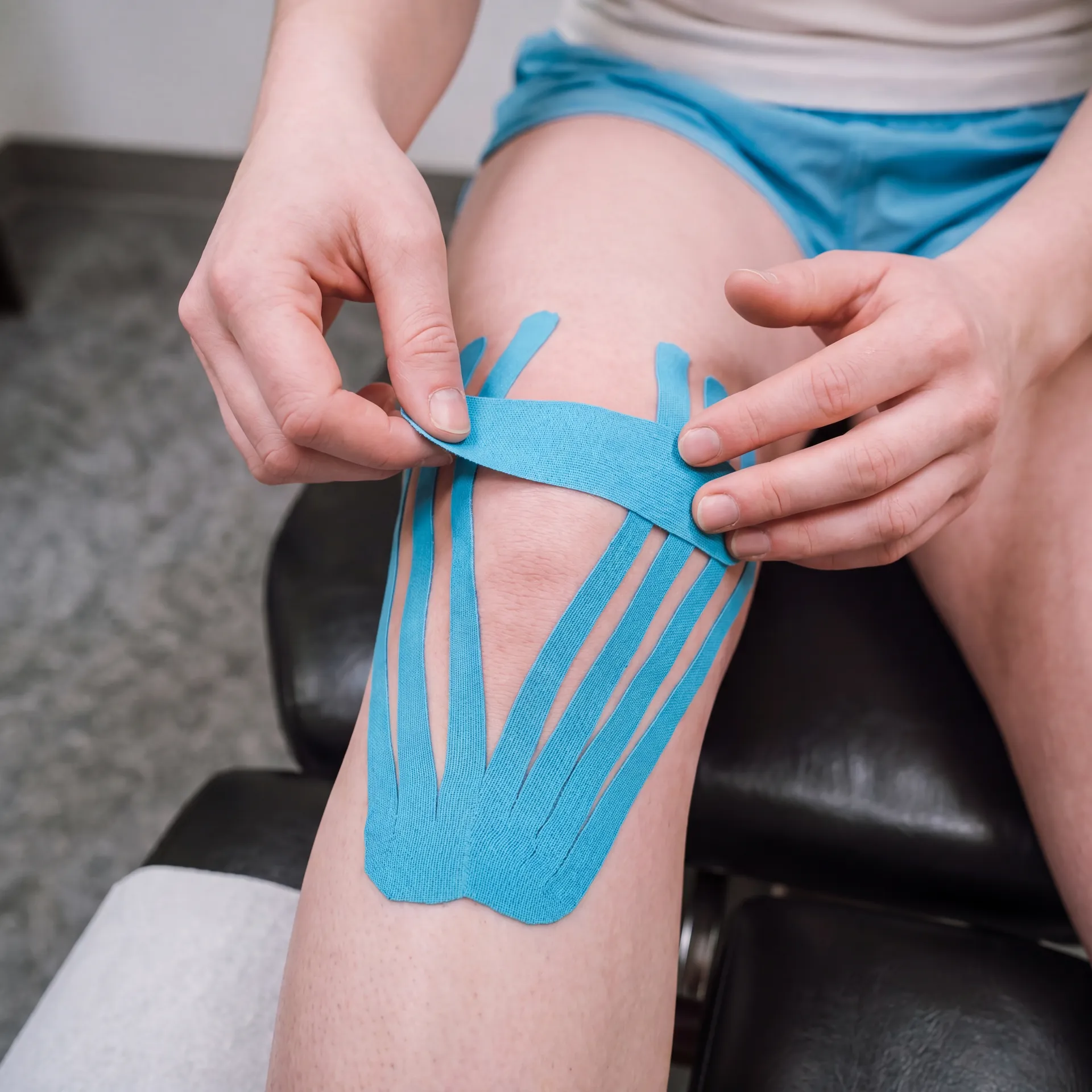
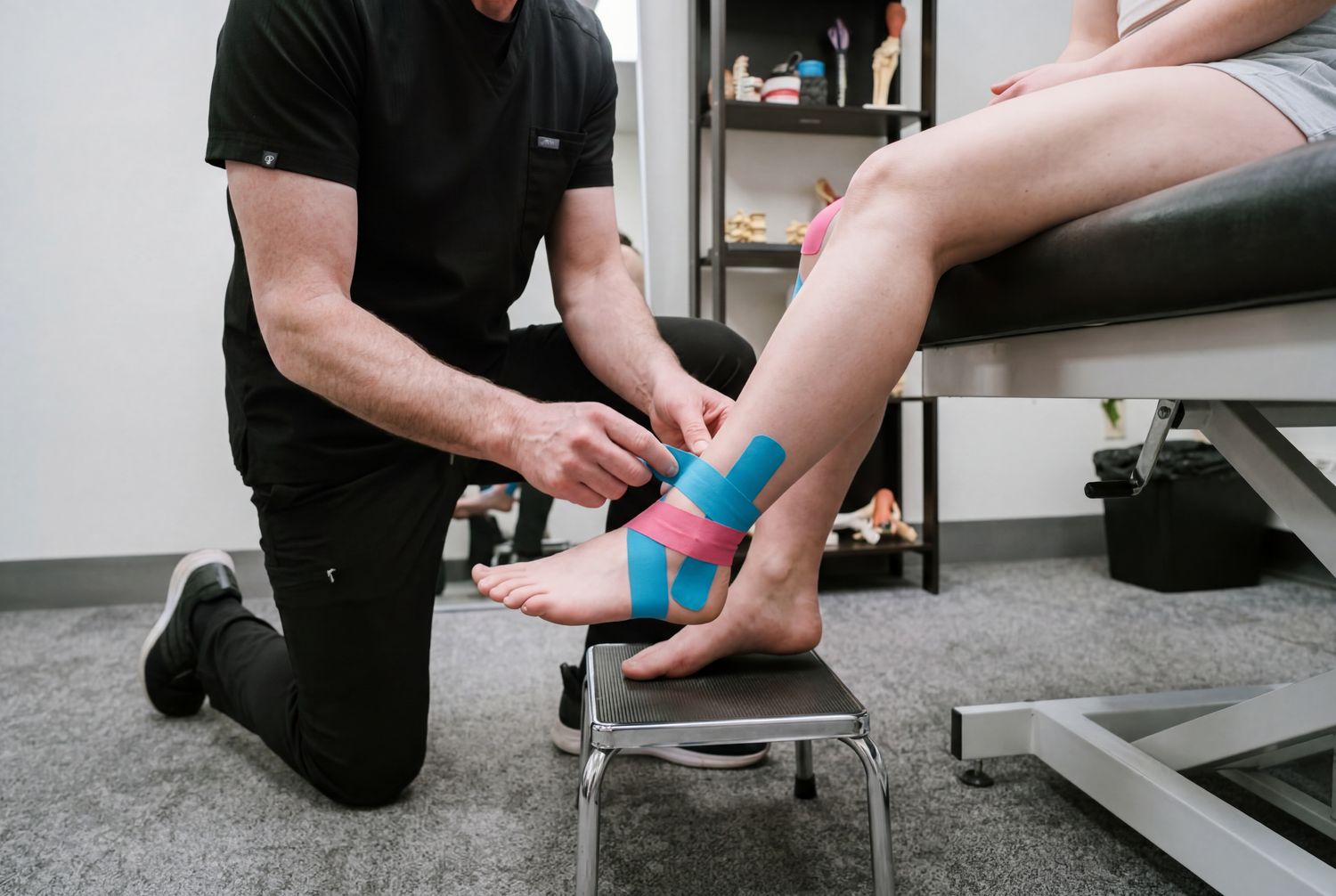
If you have watched any professional sporting event recently, you have likely seen athletes wearing strips of brightly colored tape on their shoulders, knees, or backs. That is Kinesio tape.
Unlike traditional white athletic tape, which is rigid and designed to completely immobilize a sprained joint by wrapping it tightly, Kinesio tape is highly elastic. It is engineered to mimic the thickness and elasticity of human skin. This unique design allows it to stretch and move dynamically with your body, providing structural support to injured muscles and tendons without acting like a restrictive cast. It is hypoallergenic, latex-free, and designed to be worn for several days at a time, providing round-the-clock therapeutic benefits.
Kinesio taping works on multiple physiological levels simultaneously. When applied correctly by a certified Shephard Health practitioner, the tape interacts with your skin, your lymphatic system, and your nervous system in three distinct ways:
When the tape is stretched and applied to the skin, it gently recoils. This recoil microscopically lifts the epidermis and dermis (the top layers of skin) away from the underlying muscle and fascia. This decompression creates valuable space, instantly relieving the crushing pressure on the inflamed pain receptors (nociceptors) underneath, which immediately reduces the sensation of pain.
The space created by the lifting effect also opens up the lymphatic channels. If you have suffered an acute injury (like a severe ankle sprain), these channels are often compressed by swelling. Kinesio tape acts like a gentle vacuum, allowing the built-up fluid, inflammation, and bruising to drain away from the injury site much faster.
The tape provides constant, subtle sensory feedback to your brain. This heightened awareness of your body's position (proprioception) helps correct poor posture and alters faulty movement patterns. Essentially, the tape gently reminds your muscles to fire correctly and stay in proper alignment.
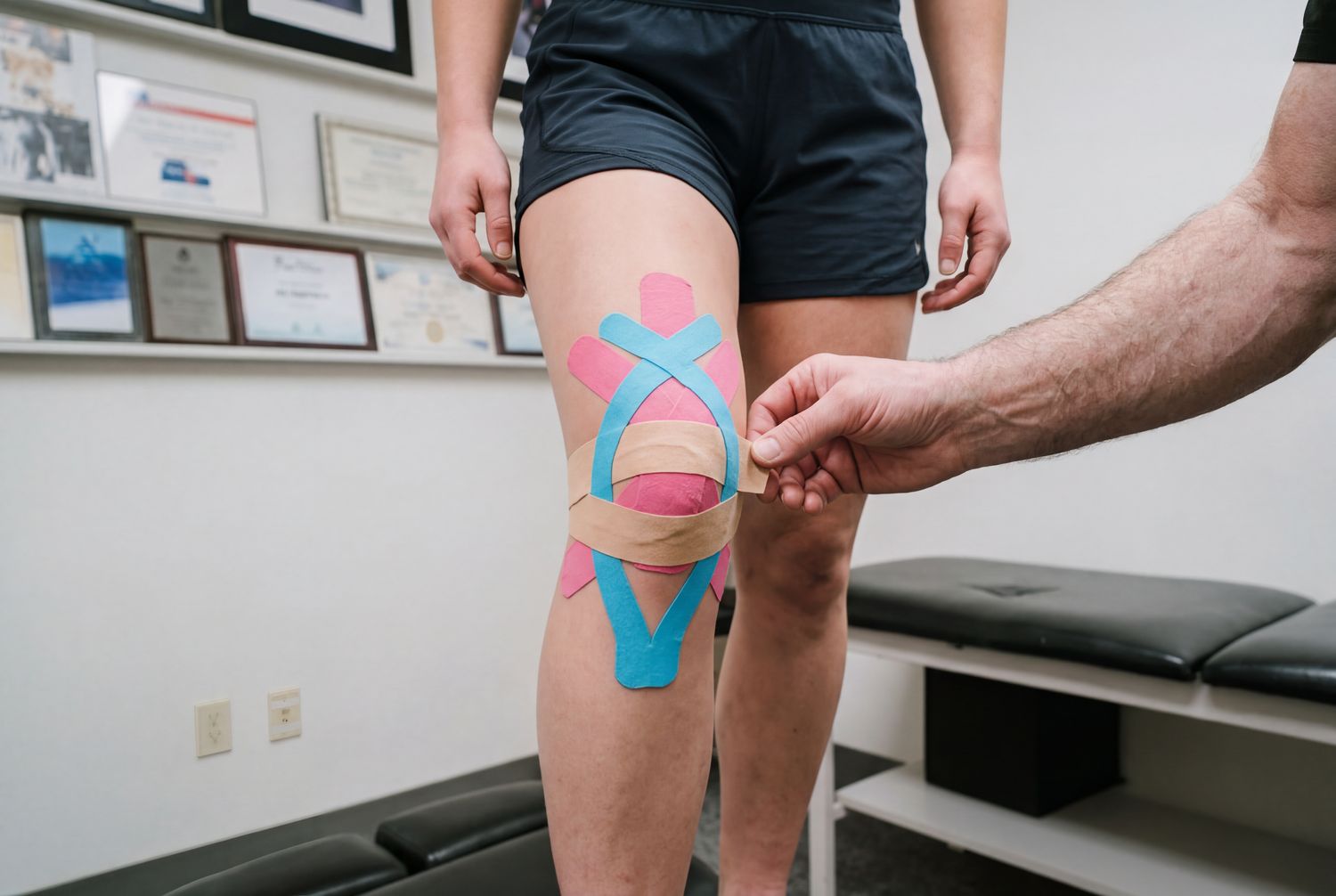
Because Kinesio taping can be customized to either facilitate a weak muscle or inhibit an overused muscle, it is highly versatile. We frequently use it to treat:
While Kinesio taping is an incredible tool, it is rarely a standalone cure. It is most effective when used as an extension of your primary treatment. At our clinic, we routinely apply Kinesio tape at the end of a session that includes Chiropractic Adjustments, Active Release Technique (ART), or Graston Technique. The tape essentially "locks in" the clinical work we just performed, taking the treatment home with you to support the healing process between clinic visits.
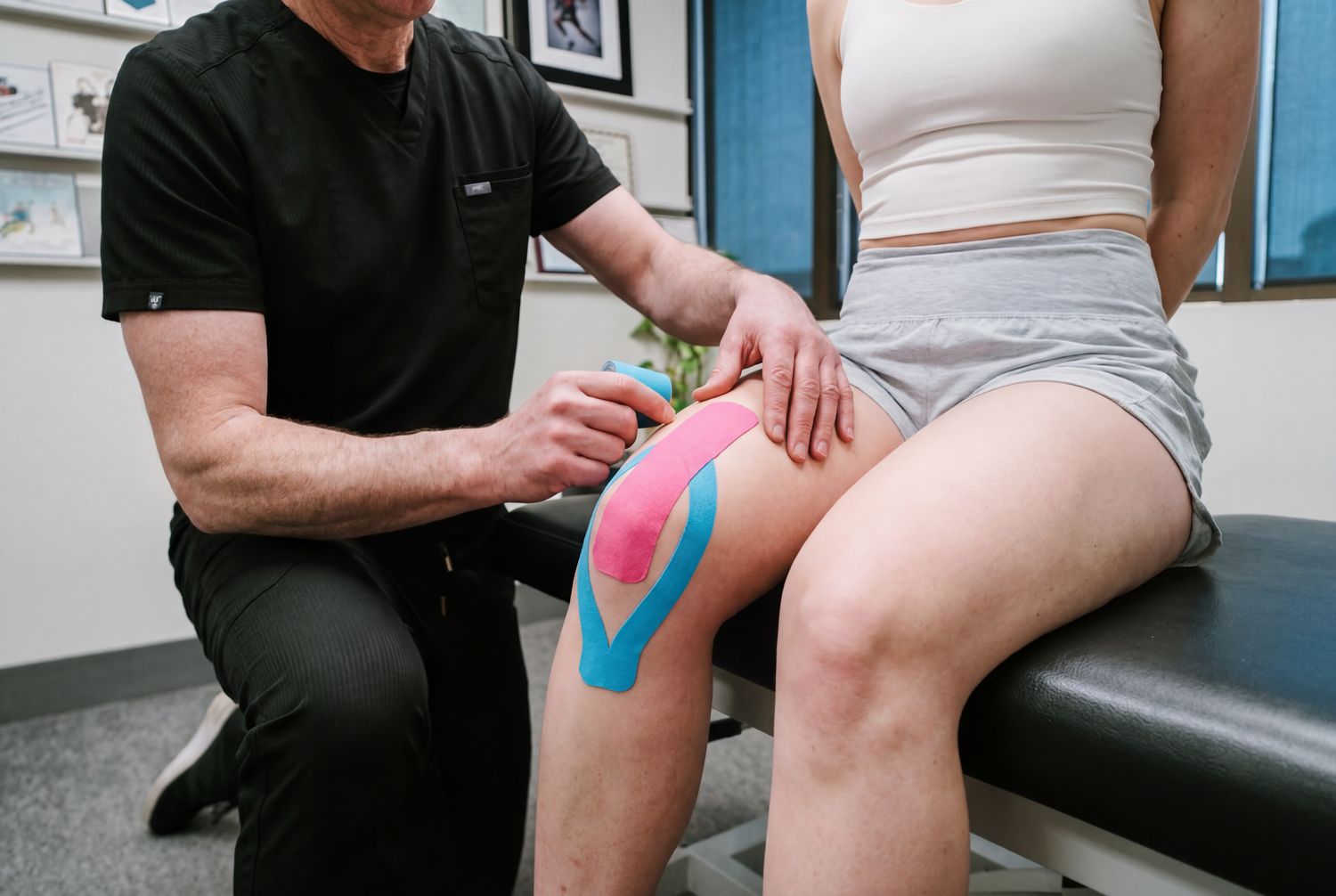
Don't let injuries sideline your active lifestyle. Get the dynamic support and pain relief you need to keep moving forward.
Same Day Appointments Available
We Direct Bill!