

Gentle Relief for Sciatica and Trapped Nerves
If you have ever experienced the sharp, shooting pain of a pinched nerve, you know it is entirely different from a standard muscle ache. Whether it is a burning sensation radiating down your leg, or tingling and numbness in your fingers after a long day at your downtown Calgary office, nerve pain is debilitating. When nerves become trapped or compressed, standard stretching often makes the pain worse.
At Shephard Health in Kensington, we specialize in Nerve Flossing (clinically known as neural gliding or neuromobilization). This highly effective, gentle technique is designed to free trapped nerves, restore their normal movement, and eliminate the shooting pain that is keeping you from your active lifestyle.
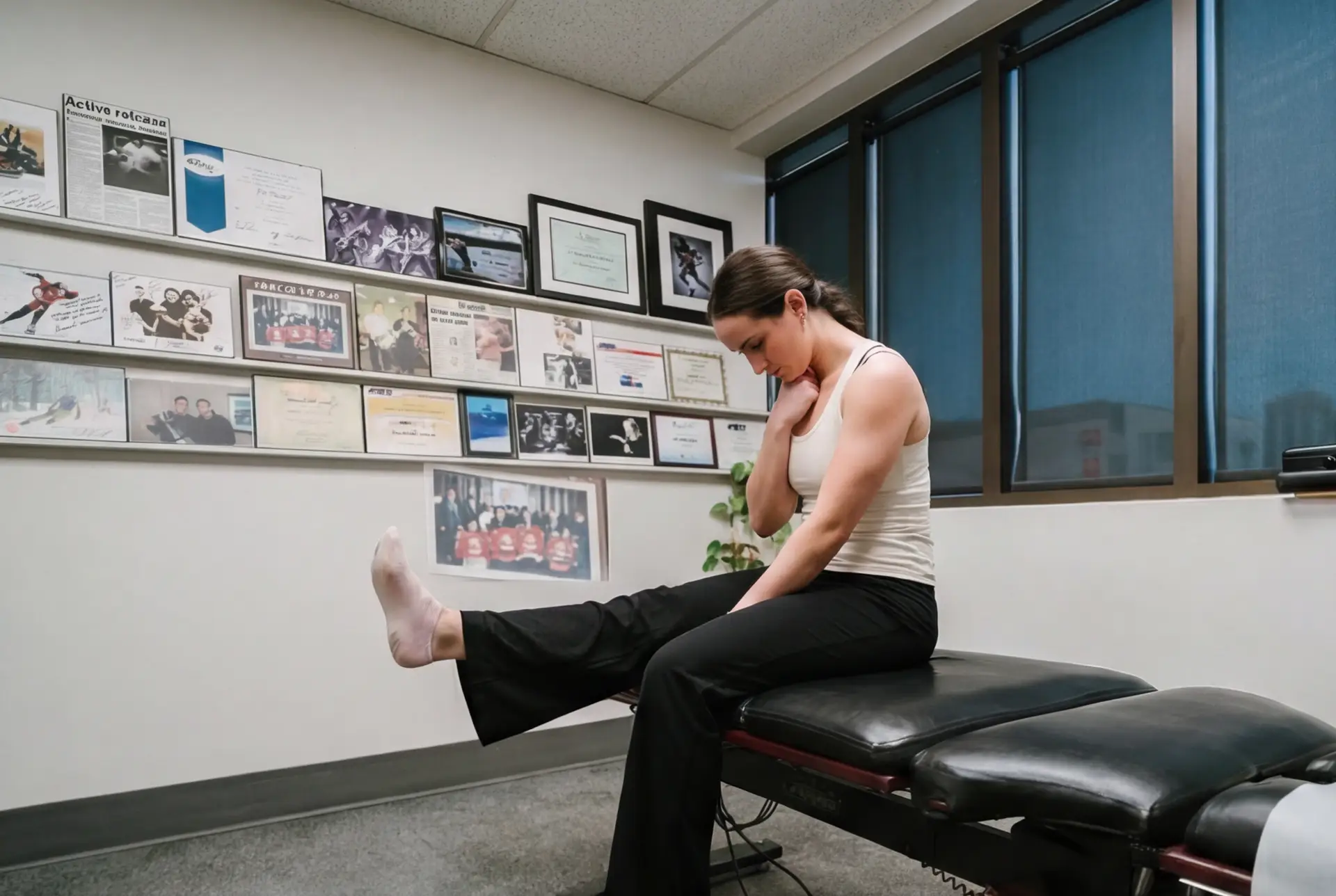
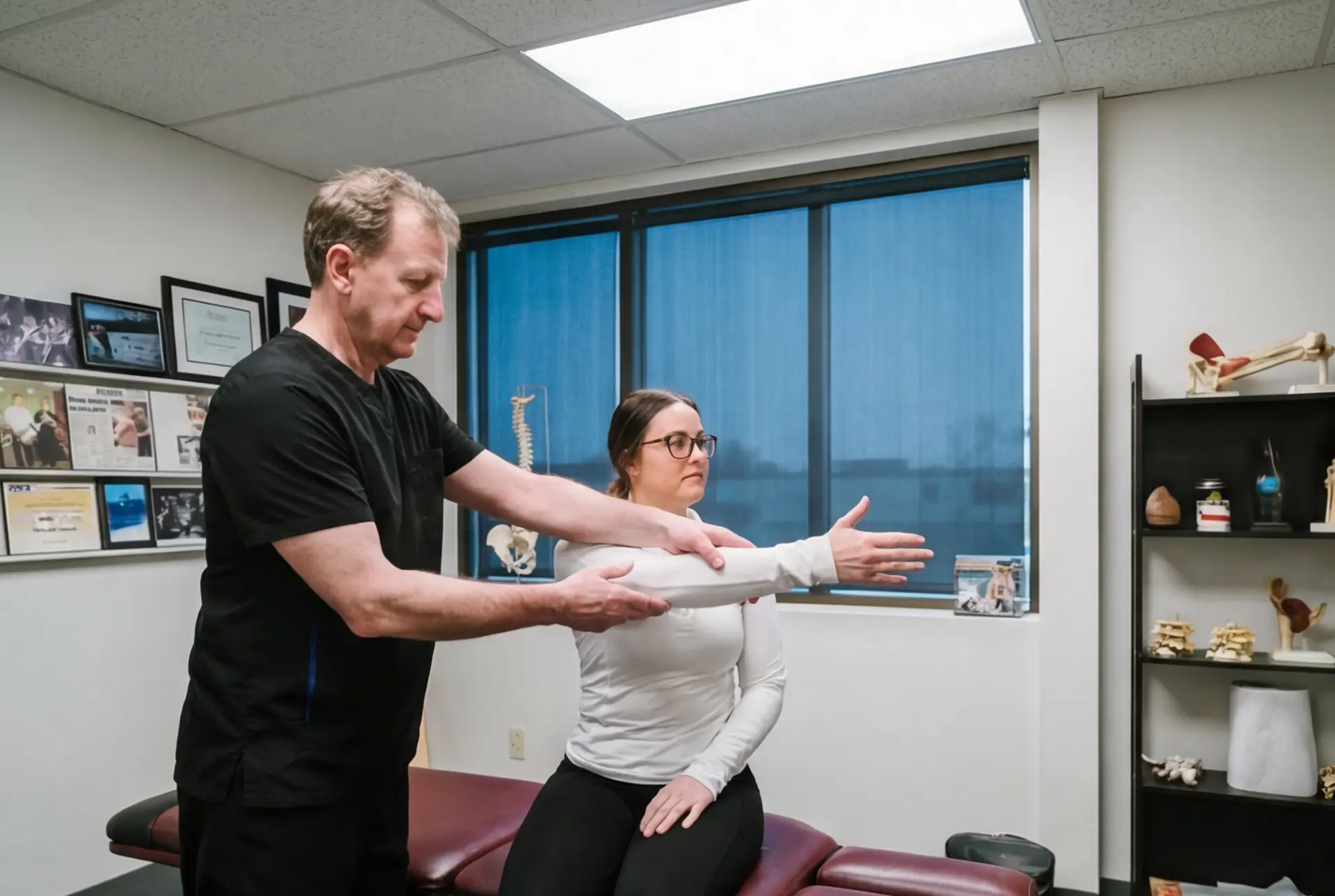
To understand what nerve flossing is, it helps to visualize your anatomy. Your nerves are like long electrical cables that run from your spinal cord all the way down to your fingertips and toes. These nerves travel through narrow tunnels and sheaths made of muscle, bone, and fascia.
Normally, when you bend a joint, the nerve glides smoothly back and forth inside its sheath to accommodate the movement. However, due to injuries, inflammation, poor posture, or scar tissue buildup, a nerve can become "stuck" or adhered to the surrounding tissue. When you move, instead of gliding, the trapped nerve gets stretched and irritated, sending a fierce signal of pain.
Nerve flossing involves performing specific, gentle, and rhythmic movements that pull the nerve from one end while releasing it from the other. Just like pulling a piece of dental floss back and forth between your teeth, these exercises gently pull the nerve back and forth through its sheath. This breaks down the adhesions, improves blood flow to the nerve, and restores its ability to glide freely without pain.
One of the most common and painful conditions we treat at our Calgary clinic is sciatica. The sciatic nerve is the longest and thickest nerve in the human body, running from your lower back, deep through your gluteal muscles, and down the back of your legs.
When the sciatic nerve becomes compressed—often by a herniated disc, a tight piriformis muscle, or pelvic misalignment—it causes agonizing pain, tingling, and weakness down the leg. Sciatic nerve flossing (or flossing for the sciatic nerve) is widely considered one of the most effective conservative treatments for this condition.
During your session, your practitioner will guide you through specific sciatic neural glides. For example, by carefully extending your leg while tilting your neck backward, we can pull the sciatic nerve cleanly through the trapped area in your hip or lower back. By repeating this motion, we release the tension on the nerve, drastically reducing the radiating leg pain.
While sciatic nerve flossing is incredibly common, this neuromobilization technique is highly versatile. We frequently use it to treat:
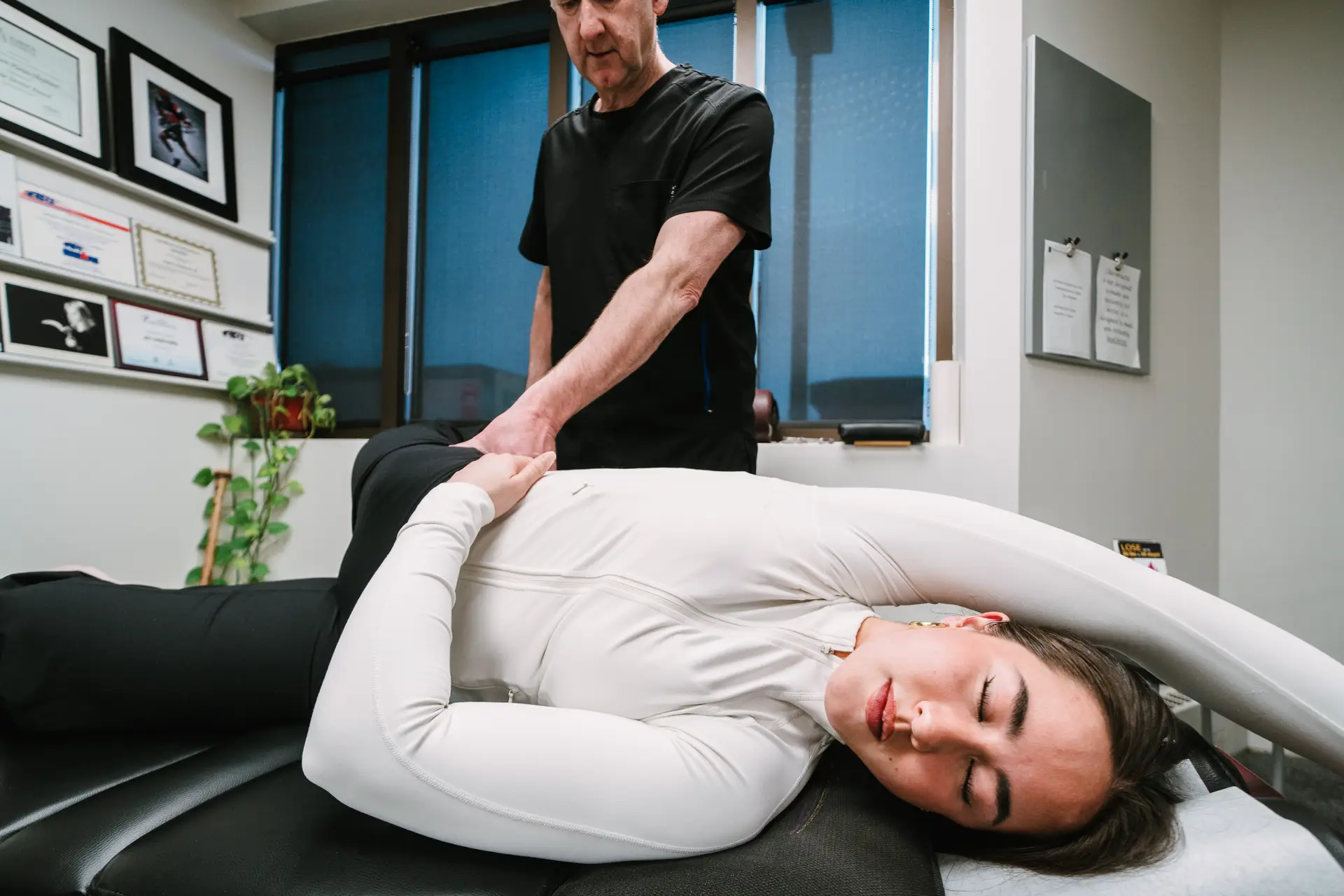
Nerves are highly sensitive tissues. If you stretch them too aggressively, they will retaliate with intense inflammation and worsening pain. That is why proper clinical guidance is essential.
At Shephard Health, we never force a nerve stretch. We conduct a thorough biomechanical assessment to pinpoint exactly where the nerve is trapped. We then integrate gentle nerve flossing with our other advanced modalities : such as Active Release Technique (ART) to break down the surrounding scar tissue, and Chiropractic Adjustments to ensure the spinal joints are not compressing the nerve roots.
You don't have to endure the burning and numbness of a trapped nerve. Let our experienced practitioners carefully restore your mobility and get you back to living pain-free in Calgary.
Same Day Appointments Available
We Direct Bill!