

Living an active life in Calgary requires healthy and pain-free feet. Whether you are running the extensive pathways along the Bow River, spending long shifts standing on a busy construction site, or simply walking your dog through your local neighborhood, your feet bear the absolute brunt of your daily activities. When you develop plantar fasciitis, it completely alters your routine and diminishes your quality of life. A dull, annoying ache can rapidly progress into a sharp, stabbing pain in your heel that makes every single step feel agonizing.
At Shephard Health, our experienced chiropractic team provides highly targeted, people-first care for plantar fasciitis and chronic heel pain. We know that simply telling you to stay off your feet or rely on heavy pain medications is rarely a realistic or effective long-term solution. We focus on diagnosing the precise biomechanical cause of your foot pain, actively breaking down the restrictive scar tissue, and providing the advanced therapies you need to walk, run, and live comfortably again.
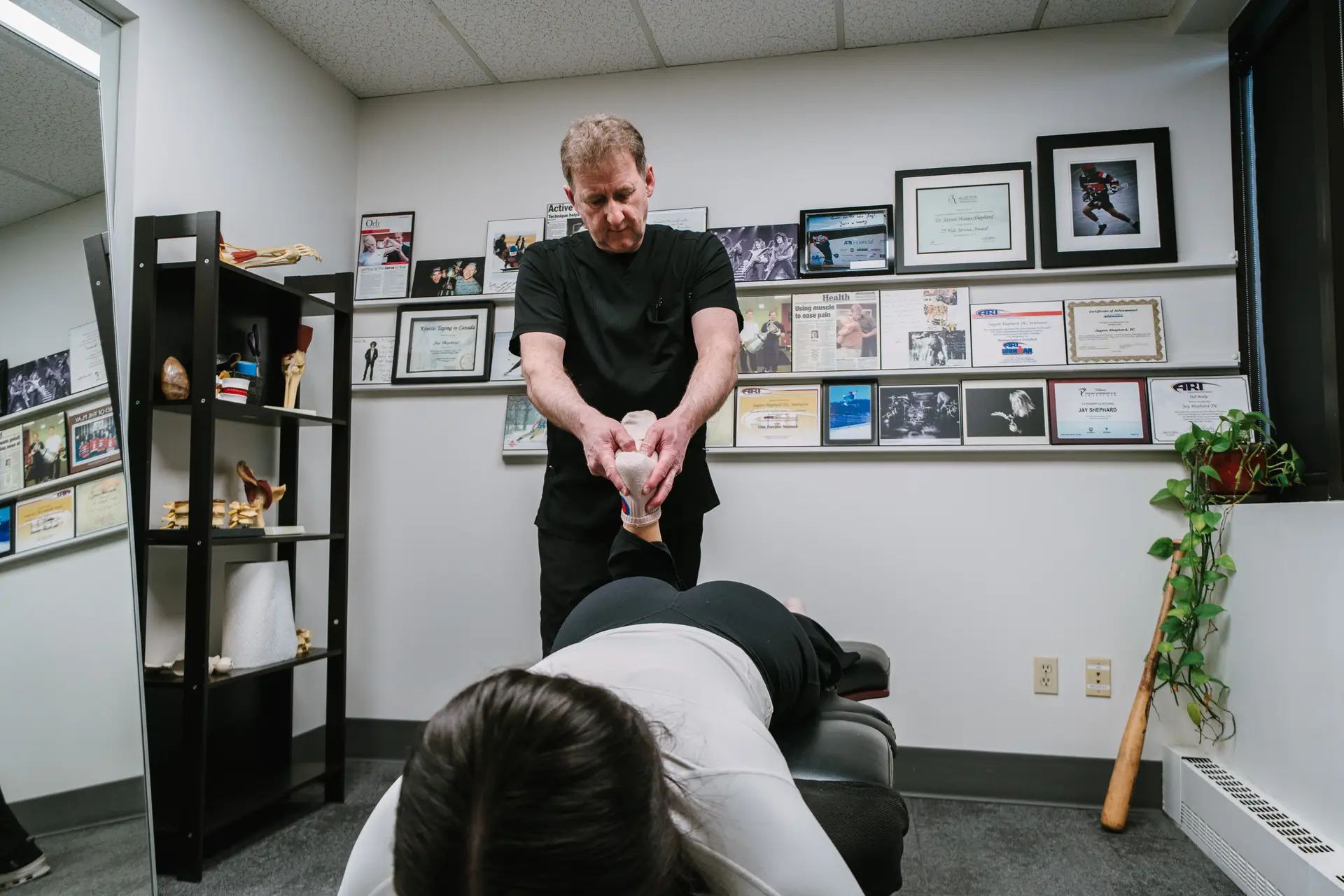
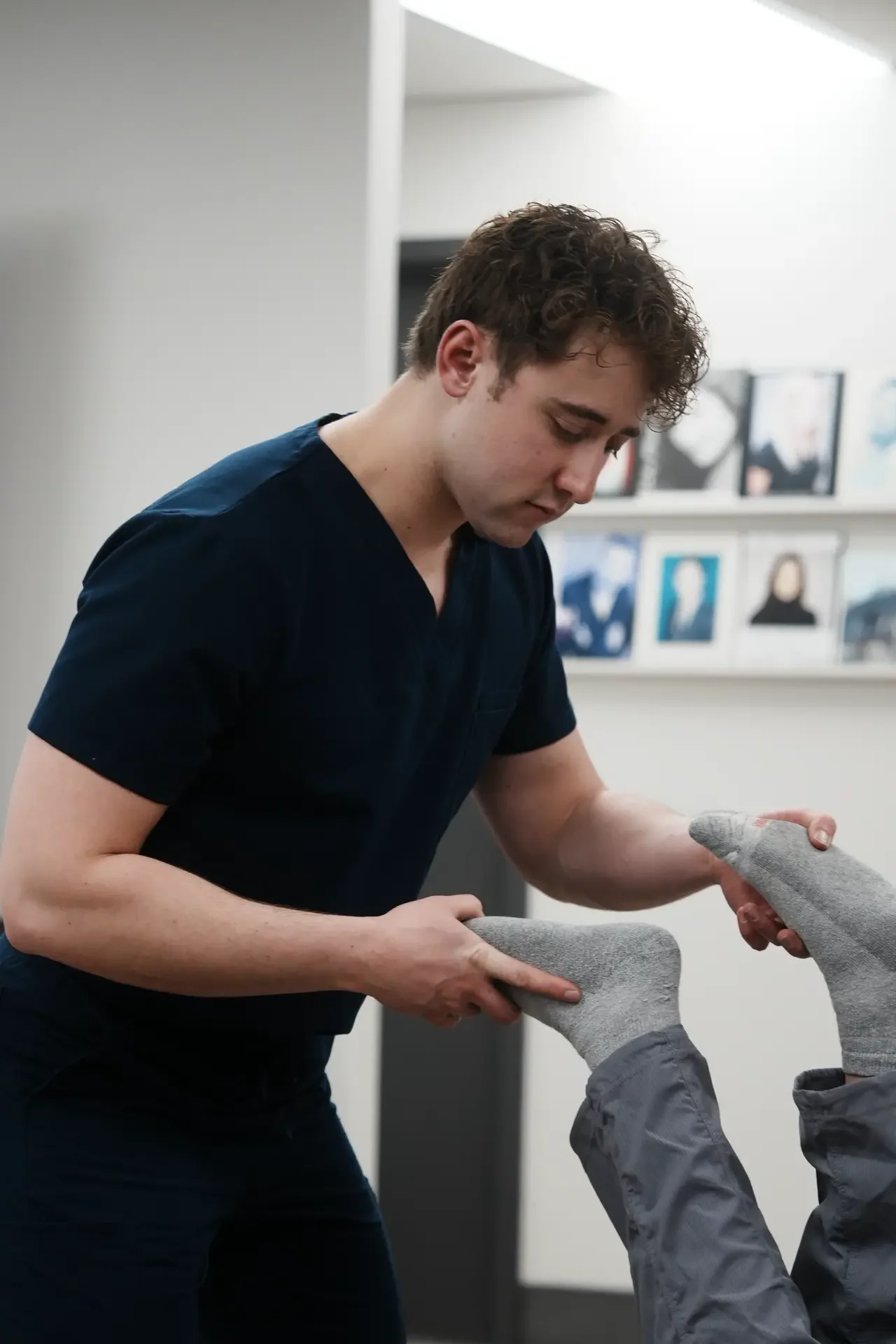
To effectively treat your heel pain, it is vital to understand the underlying anatomy of the affected area. The plantar fascia is a thick, incredibly strong band of connective tissue (a resilient ligament) that runs right across the bottom of your foot. It connects your heel bone directly to the base of your toes and creates the supportive arch of your foot.
Plantar fasciitis occurs when this vital band of tissue becomes severely inflamed, micro-torn, or chronically irritated due to excessive mechanical stress.
The Unmistakable Symptoms of Plantar Fasciitis
Patients visiting our Kensington clinic for a heel pain assessment almost always describe a very specific progression of uncomfortable symptoms. The most common indicators include the following:
Intense Morning Pain: A sharp, stabbing pain in the bottom of the heel that is incredibly severe during the very first few steps you take after getting out of bed in the morning.
Pain After Resting: Similar sharp pain that returns after sitting or resting for a long period, such as standing up after a long commute on Deerfoot Trail or getting up from your desk at work.
Worsening Pain After Exercise: The pain is often dull or manageable during physical activity, but it becomes significantly worse immediately after you stop exercising and the tissues begin to cool down
Plantar fasciitis rarely develops from a single, acute injury. It is almost always a repetitive strain injury that develops slowly over a long period of time. Our clinic routinely treats patients whose heel pain stems from specific daily activities and underlying biomechanical imbalances.
Sudden Increases in Physical Activity
Runners, hikers, and weekend athletes are highly susceptible to developing plantar fasciitis. Suddenly increasing your running mileage, changing your primary running surface (such as switching from a softer indoor treadmill to hard concrete sidewalks), or starting a new high-impact sport without proper conditioning quickly overloads the plantar fascia.
Flat Feet and Fallen Arches
Your foot arch acts as a natural shock absorber. If you have naturally flat feet or fallen arches, the entire sole of your foot flattens out when you stand up. This lack of structural support places enormous, unnatural tension directly on the plantar fascia, slowly tearing the tissue over time.
Prolonged Standing on Hard Surfaces
Many professions require spending eight to ten hours a day standing on unyielding surfaces. Nurses, retail workers, warehouse employees, and tradespeople constantly battle chronic heel pain due to the unrelenting compressive force placed on their feet day after day.
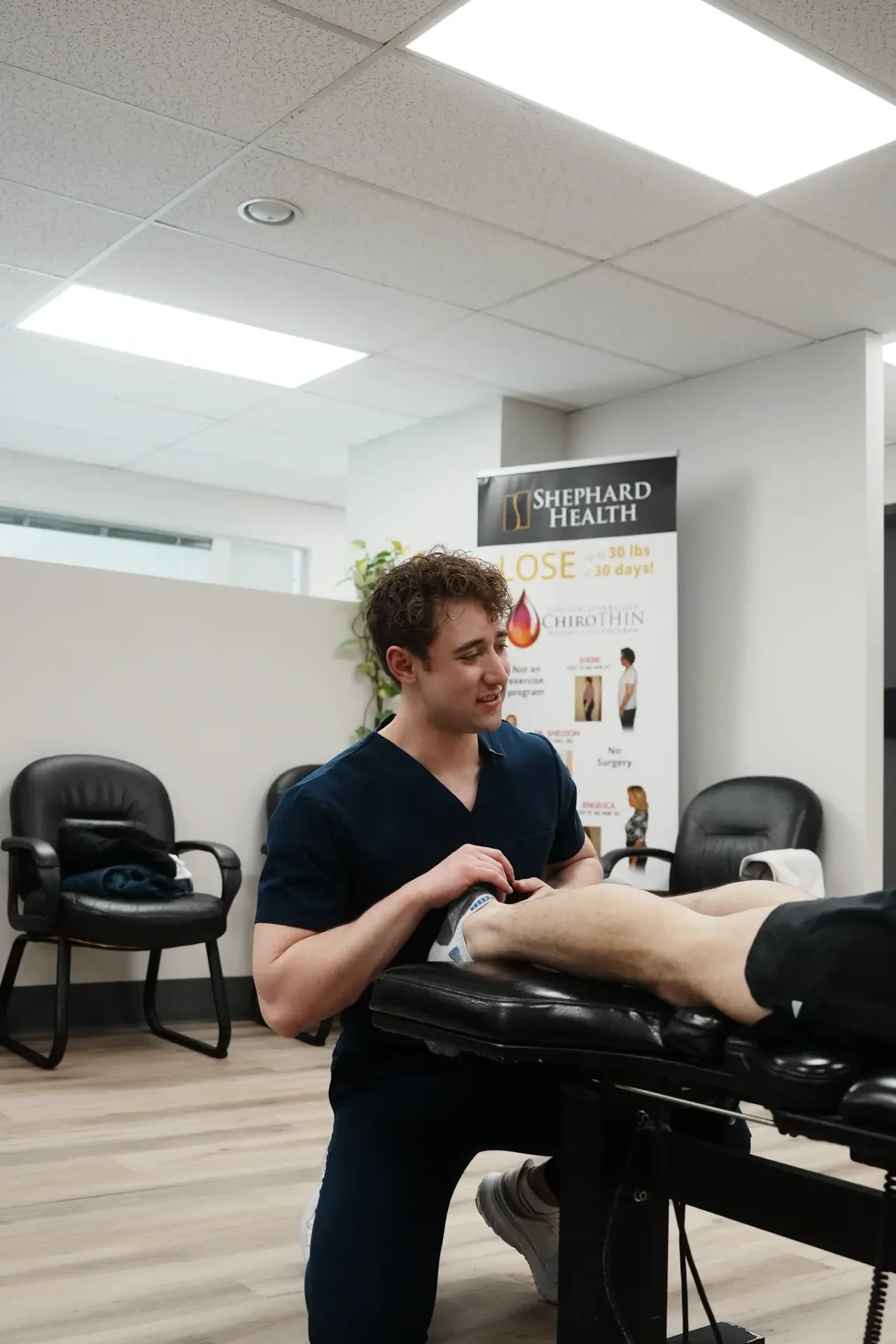
You do not have to resort to painful steroid injections or invasive surgery to find lasting relief. When you visit Shephard Health, we conduct a thorough biomechanical assessment of your entire lower body (including your feet, ankles, knees, and hips) to determine exactly why your plantar fascia is failing. Your highly customized treatment plan will likely include a combination of the following advanced, non-surgical therapies.
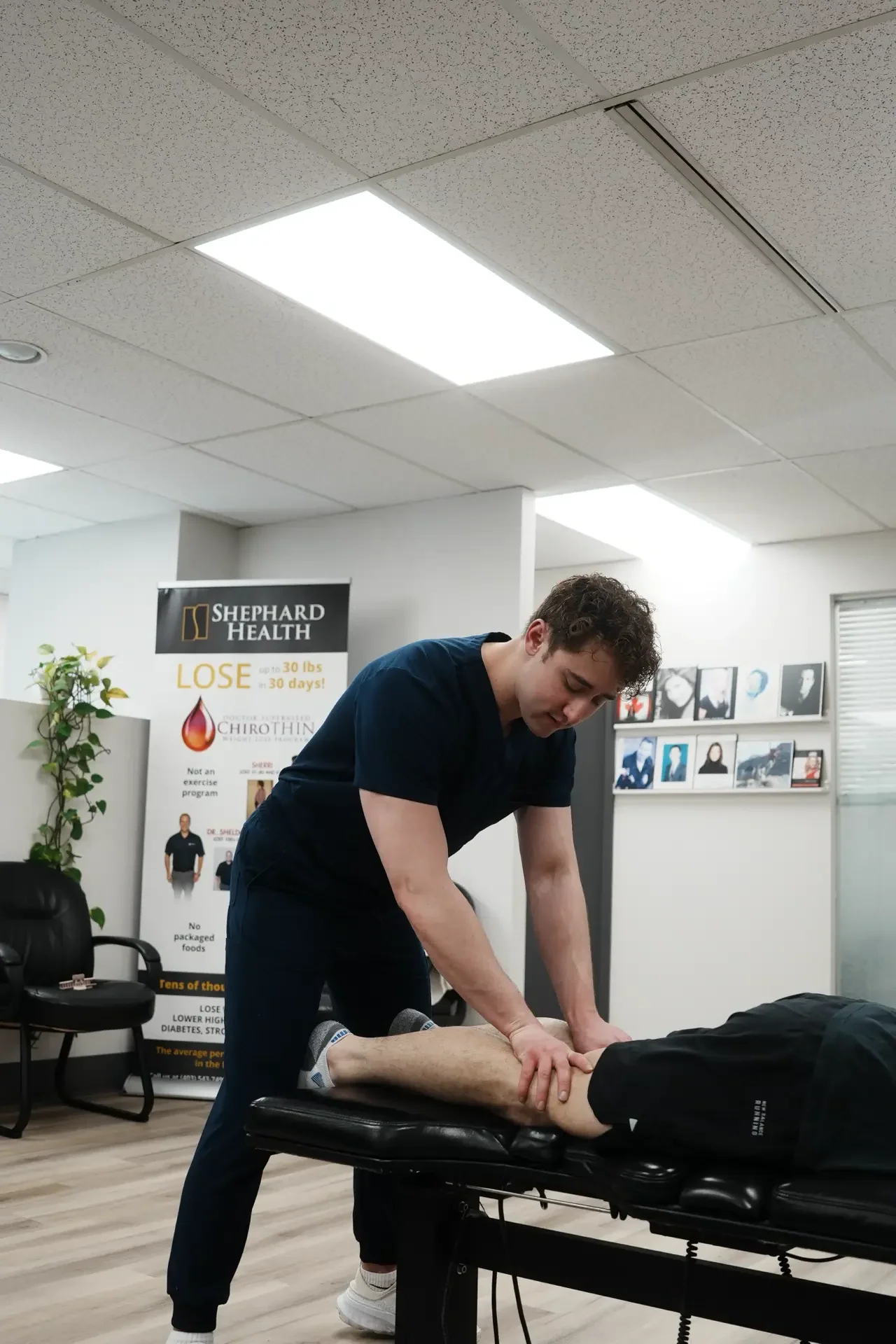
Chronic foot pain creates dense, restrictive scar tissue in your calf muscles and the bottom of your foot. We provide targeted active release therapy in Calgary to expertly break down these painful adhesions. This hands-on soft tissue technique relieves severe muscular tightness in your calves, which directly reduces the pulling tension exerted on your heel bone.
For highly stubborn, chronic plantar fasciitis, shockwave therapy is often our most effective treatment option. This innovative acoustic wave technology actively breaks down dense, chronic scar tissue in the plantar fascia. It aggressively dissolves painful calcifications (commonly known as heel spurs) and triggers massive blood flow to the injured ligament, dramatically accelerating your body's natural cellular healing process.
An acute flare-up of plantar fasciitis triggers massive localized swelling in the heel. Our advanced cold laser therapy utilizes specialized light energy to penetrate deeply into the foot to stimulate rapid cellular repair. This highly effective treatment quickly reduces deep tissue swelling and actively decreases inflammation without any discomfort.
If your plantar fasciitis is caused by flat feet or severe overpronation, we provide expertly fitted custom foot orthotics right here in Calgary. These precision-crafted inserts provide the exact structural support your arches desperately need, correcting your unique gait and permanently removing the abnormal mechanical stress from your plantar fascia.
You do not have to start every morning with agonizing foot pain. Our experienced clinical team is ready to provide the expert guidance and targeted therapies you need to confidently return to your normal life. We are dedicated to finding the root cause of your discomfort so you can walk, run, and play without limitations.
Contact Shephard Health today to schedule your comprehensive plantar fasciitis assessment. Let us help you take the very first step toward a comfortable, active life in Calgary.
Same Day Appointments Available
We Direct Bill!