

Workplace injuries affect far more than the injured worker. They disrupt operations, damage team morale, drive up insurance costs, and can define an organization's culture for years. The CDC estimates that approximately 100 million workdays are lost annually due to workplace injuries in the United States alone. The most common types of workplace injuries — strains, sprains, overexertion injuries, and repetitive strain conditions — share one important characteristic: most of them are preventable.
Effective workplace safety starts with a systematic approach to eliminating and managing hazards. The hierarchy of hazard control ranks prevention methods from most to least effective.
Level 1: Elimination — The most effective approach is to completely remove the hazard from the workplace. This might involve redesigning processes, updating equipment, or changing procedures so the risky activity no longer exists. While elimination isn't always possible, it should always be the first question asked.
Level 2: Substitution — When elimination isn't feasible, substitution means replacing a hazardous process, material, or piece of equipment with a safer alternative. For example, replacing manual lifting tasks with mechanical lifting devices directly reduces back injury risk.
Level 3: Engineering Controls — Engineering controls modify the physical environment or equipment to prevent injury. This includes ergonomic workstations, machine guards, adequate ventilation, proper lighting, and automated processes that reduce manual handling.
Level 4: Administrative Controls — These controls involve policies, procedures, training programs, and schedule modifications. Examples include rotating tasks to prevent repetitive strain, establishing regular rest breaks, and creating clear safety protocols for hazardous activities.
Level 5: Personal Protective Equipment (PPE) — PPE such as helmets, gloves, safety glasses, and protective clothing represents the last line of defense. While important, PPE should supplement — not replace — the controls above it.
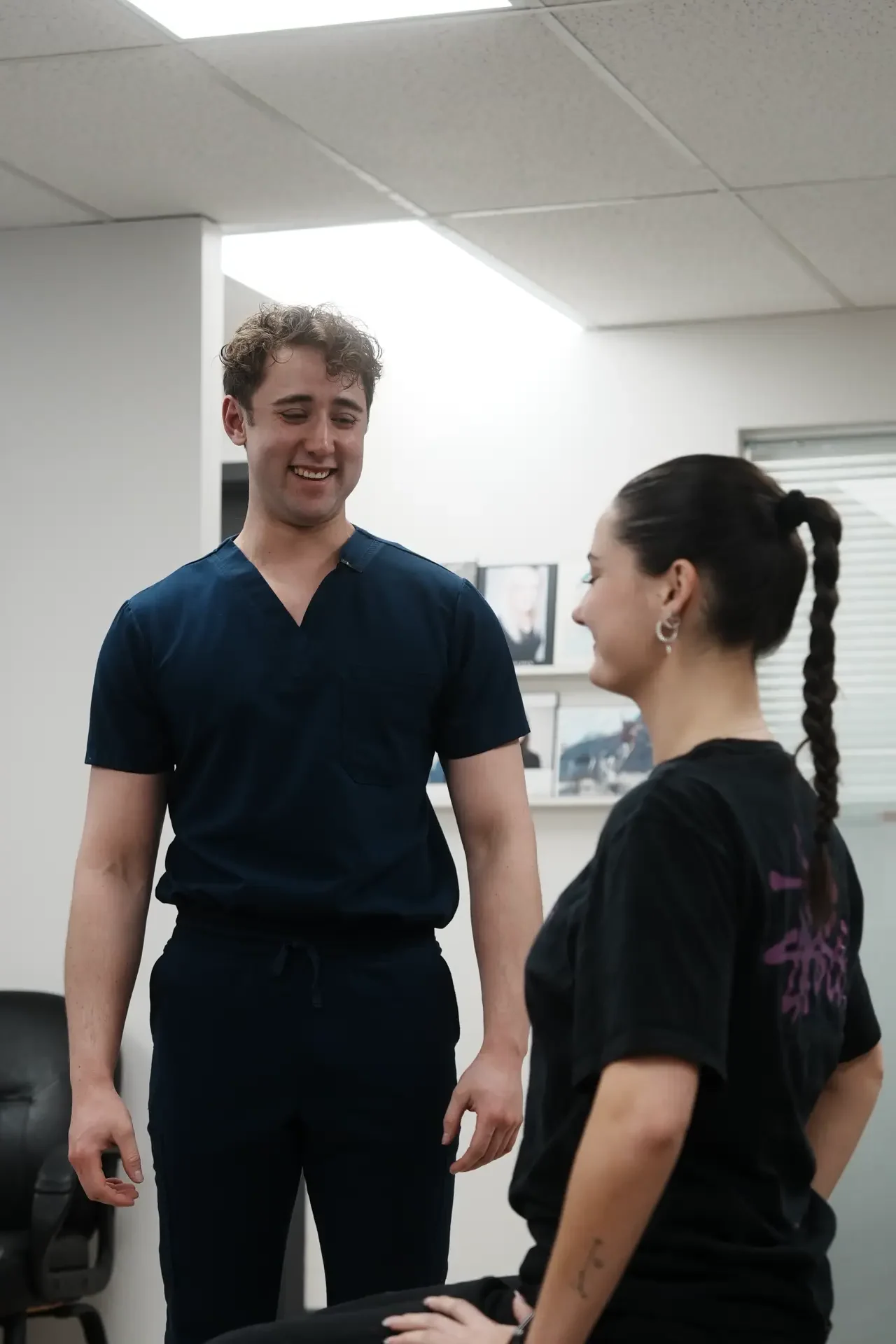

Conduct a Comprehensive Ergonomic Assessment
Ergonomics — the science of fitting work to the worker — is fundamental to injury prevention. A thorough assessment of workstations, equipment, and processes will reveal ergonomic hazards before they cause harm.
For Office Workers
- Chairs with adjustable lumbar support
- Monitors positioned at eye level, 20–26 inches away
- Keyboards and mice that maintain neutral wrist positions
- Desks at the correct height to prevent shoulder strain
- Regular micro-breaks to reduce cumulative strain
For Industrial and Physical Workers
- Properly designed and well-maintained tools
- Mechanized lifting equipment where possible
- Work surfaces at appropriate heights
- Adequate lighting and clear sightlines
Invest in Employee Training and Education
Well-trained employees are your most effective injury prevention resource. Comprehensive training programs should cover:
Hazard recognition— teaching employees to spot potential risks in their work environment before incidents occur.
Safe work practices — clear instruction and regular practice of proper lifting, carrying, and equipment operation techniques.
Equipment operation — ensuring all operators are properly trained and certified before working independently.
Incident reporting — creating a culture where near-misses and hazards are reported freely, without fear of blame or retaliation. Near-miss reports are one of the most valuable tools for preventing serious injuries.
Health and wellness — educating staff about the role of physical fitness, posture, stretching, and adequate rest in preventing cumulative injuries.
Build a Genuine Safety Culture
The most effective injury prevention programs operate within a culture where safety is a core organizational value — not a compliance requirement. Building this culture requires:
- Visible leadership commitment — managers who demonstrate safety as a personal priority, not just a policy
- Transparent communication — regular updates on safety performance, near-misses, and lessons learned
- Recognition programs — acknowledging teams and individuals who actively contribute to a safer workplace
- Open channels for feedback — giving employees meaningful ways to raise safety concerns
- Continuous improvement mindset — regularly reviewing incident data and adjusting strategies accordingly
Train Proper Manual Handling Techniques
Back injuries are among the most costly and preventable workplace injuries. Reinforcing correct manual handling technique across your team pays dividends year after year.
Key principles for safe lifting:
- Assess the load before lifting — if it's too heavy or awkward, use mechanical assistance
- Position feet shoulder-width apart with one foot slightly forward
- Bend at the knees and hips while keeping the back straight and core engaged
- Hold the load close to the body at waist level
- Never twist the spine while holding a load — pivot with your feet instead
- Lower items using the same controlled technique used to lift them
Maintain Equipment Through Preventive Programs
Equipment in poor condition creates significant and often unpredictable hazards. Implement a scheduled preventive maintenance program for all equipment, and remove any defective machinery from service immediately until it is properly repaired.
Allocate Adequate Resources
Injury prevention requires genuine investment — not just in safety equipment, but in staffing levels, adequate rest periods, appropriate lighting and climate control, and access to professional health resources.
Understaffing and overwork are hidden injury risk factors. Fatigued employees make more mistakes and have slower reaction times, increasing the probability of both acute injuries and cumulative strain conditions.
Investigate Every Incident Thoroughly
When workplace injuries do occur, rigorous investigation prevents recurrence. Effective incident investigations go beyond identifying what happened to understand why it happened. Use this data to identify patterns, common hazards, and areas that require updated controls or training.
Professional occupational health services complement internal safety programs by providing specialized medical expertise. Occupational health professionals can:
- Conduct workplace hazard assessments and ergonomic audits
- Provide evidence-based ergonomic recommendations
- Develop return-to-work and modified duties programs
- Offer pre-employment and periodic health screening
- Treat work-related injuries and illnesses
- Conduct fitness-for-duty evaluations
- Develop comprehensive, organization-specific occupational health programs
Partnering with an occupational health provider ensures your organization benefits from clinical expertise that most internal safety teams don't possess.
A structured action plan transforms good intentions into measurable outcomes.
Step 1 — Assess Your Current State
Review existing safety practices, examine your incident history, and identify the areas of greatest risk.
Step 2 — Set Measurable Goals
Establish specific targets — for example, reducing lost-time injuries by 25% within 12 months.
Step 3 — Identify Hazards
Conduct thorough hazard assessments with frontline employees who understand the actual work processes.
Step 4 — Implement Controls
Apply the hierarchy of hazard control, starting with elimination or substitution where possible.
Step 5 — Train Your People
Deliver role-specific training on relevant hazards and the controls in place.
Step 6 — Monitor and Adjust
Track key metrics and review progress regularly. Adjust strategies based on what the data tells you.
Step 7 — Communicate Results
Keep employees informed about safety performance. Transparency reinforces that safety matters throughout the organization.
Track these key performance indicators to evaluate your prevention program:
- Total Recordable Incident Rate (TRIR)
- Lost Workday Case Rate
- Days Away, Restricted, or Job Transfer (DART) Rate
- Near-miss reporting frequency
- Safety training completion rates
- Hazard assessment completion rates
- Return-to-work success rates
Workplace injury prevention is an ongoing commitment, not a one-time initiative. It requires leadership support, employee engagement, and a willingness to continuously improve.
At Shephard Health, we help organizations develop and implement effective occupational health and injury prevention programs. Our team of healthcare professionals provides the clinical expertise and practical support needed to create workplaces where employees stay healthy, productive, and safe.
Contact us today to discuss how Shephard Health can support your organization's workplace health and safety goals.
Same Day Appointments Available
We Direct Bill!