

If your first steps out of bed feel like stepping on a nail in your heel, you already know how stubborn plantar fasciitis can be. It's one of the most common causes of heel pain — and one of the most frustrating, because it often lingers for months despite rest, stretching, and new shoes.
When the usual measures stall, shockwave therapy is one of the most evidence-supported options for getting chronic plantar fasciitis moving in the right direction. Here's how it works, what to expect, and how to know if it's right for you.
The plantar fascia is a thick band of tissue that runs along the bottom of your foot, connecting your heel to your toes and supporting your arch. When it's overloaded or irritated, tiny areas of breakdown develop where it attaches to the heel bone — and that's what produces the sharp, stabbing pain so many people feel first thing in the morning or after sitting for a while.
You can read more about the condition on our plantar fasciitis page , and about related issues on our foot and ankle pain page.
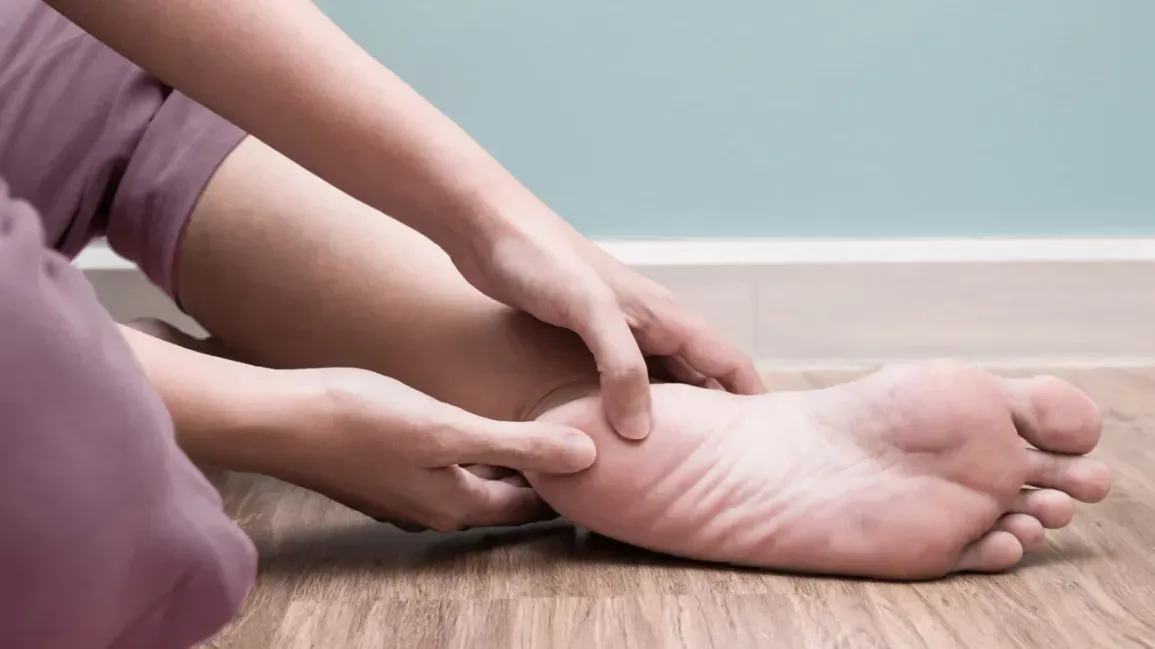
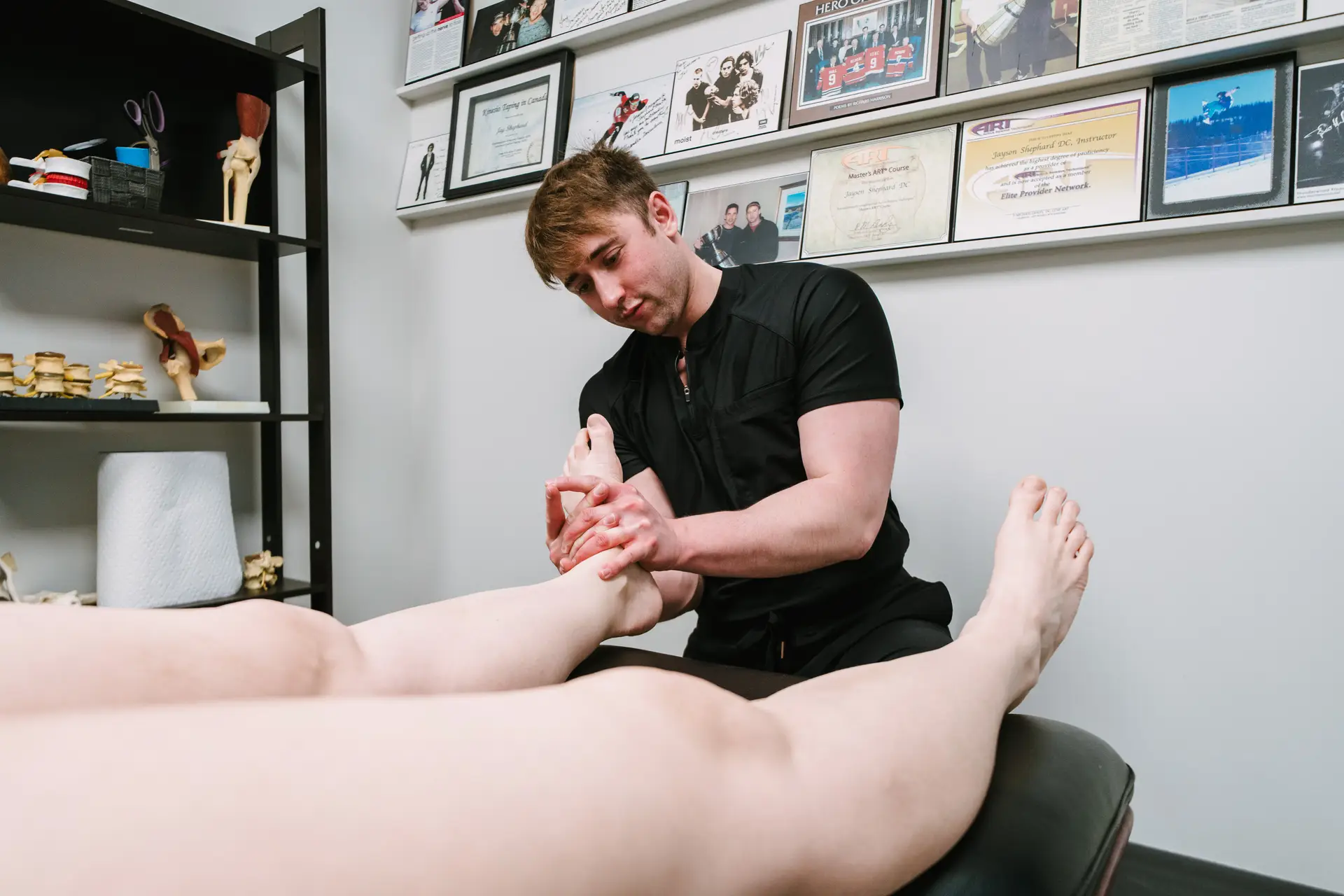
Common contributors include long hours on your feet, a sudden jump in running or training, tight calves, flat feet or high arches, and unsupportive footwear. Often it's a combination — for example, ramping up your mileage while wearing worn-out shoes. Understanding your particular cause matters, because it shapes how we keep the problem from coming back after treatment.
Extracorporeal shockwave therapy (often shortened to ESWT) uses high-energy acoustic pressure waves delivered through the skin to the painful tissue. It sounds dramatic, but it's a non-invasive, in-clinic treatment — no needles, no surgery, no downtime.
The goal is to kick-start your body's own healing response in tissue that has become "stuck" in a chronic state. You can learn more about how we deliver it on our shockwave therapy service page .
For long-standing plantar fasciitis, shockwave therapy works in a few complementary ways:
This is why shockwave is usually considered for *chronic* cases — heel pain that has stuck around for several months and hasn't responded well to rest, stretching, and footwear changes.
A typical session is short, often around 10 to 15 minutes. Your practitioner locates the most tender area, applies gel, and moves the handpiece over your heel and arch while delivering the pulses. You'll feel a firm tapping sensation, and the intensity can be adjusted to stay within your comfort level.
Most people are treated once a week, and a course commonly runs over three to six sessions depending on how long you've had the problem and how you respond. Because there's no downtime, you can usually walk out and carry on with your day.
There can be some discomfort during the pulses, especially right over the sorest spot — but it's generally well tolerated and your practitioner controls the intensity throughout. Many people describe it as a strong tapping that's uncomfortable rather than painful. Some mild tenderness or aching afterward for a day or two is normal and usually settles quickly.
Shockwave works best as part of a complete plan rather than a stand-alone fix. To give your foot the best chance to heal, your care may also include calf and plantar fascia stretching, activity modification, and proper arch support. For many people, custom foot orthotics are an important piece of the puzzle, because they reduce the daily load on the fascia long after treatment ends.
After each session it's wise to avoid high-impact activity like running for a day or two, stay hydrated, and skip anti-inflammatory medication unless your provider advises otherwise — the mild inflammation shockwave creates is part of the intended healing response.
Same Day Appointments Available
We Direct Bill!