

Soft tissue injuries involve damage to muscles, tendons, and ligaments — the connective tissues that support your body's movement and stability. These injuries can range from minor strains to severe tears, and they're more common than you might think.
The Main Types of Soft Tissue Injuries
Each type requires a slightly different approach to treatment, which is why a professional assessment is crucial before beginning any recovery program.
Soft tissue injuries can develop suddenly from acute trauma or gradually over time through repetitive overuse. Understanding the cause helps guide both treatment and prevention.
Acute injuries typically result from direct trauma, falls, or sudden movements that exceed the tissue's capacity to handle stress — such as rolling an ankle or being tackled in sport.
Chronic injuries develop over time from repetitive motions, poor posture, or inadequate recovery between activities. These are particularly common in desk workers and athletes who train without proper rest.
Step 1 — Initial Care with the RICE Protocol
The first 48–72 hours following a soft tissue injury are critical. The RICE protocol remains the gold standard for immediate management:
Step 2 — Advanced Therapeutic Treatments
Once the acute phase has settled, several advanced treatments can accelerate healing and restore full function.
Cold Laser Therapy
Cold laser therapy uses specific wavelengths of light to stimulate cellular healing. This non-invasive treatment penetrates deep into tissues, promoting blood flow and reducing inflammation. Many patients experience significant pain reduction and improved mobility after just a few sessions.
Shockwave Therapy
Shockwave therapy delivers acoustic waves to the affected area, stimulating the body's natural healing response. It is particularly effective for chronic soft tissue injuries that haven't responded to conventional therapy, encouraging tissue regeneration and increased blood circulation.
The Graston Technique
The Graston Technique is an instrument-assisted soft tissue mobilization (IASTM) method that breaks up scar tissue and adhesions. Using specialized stainless steel instruments, practitioners address movement restrictions and pain caused by built-up scar tissue — making it a popular choice for athletes seeking faster recovery.
Fascial Stretch Therapy (FST)
FST is a dynamic stretching technique targeting the entire fascial system. By improving fascial mobility and function, this therapy reduces pain, increases flexibility, and enhances overall movement quality — particularly beneficial for those with restricted range of motion or chronic muscle tightness.
Chiropractic Care
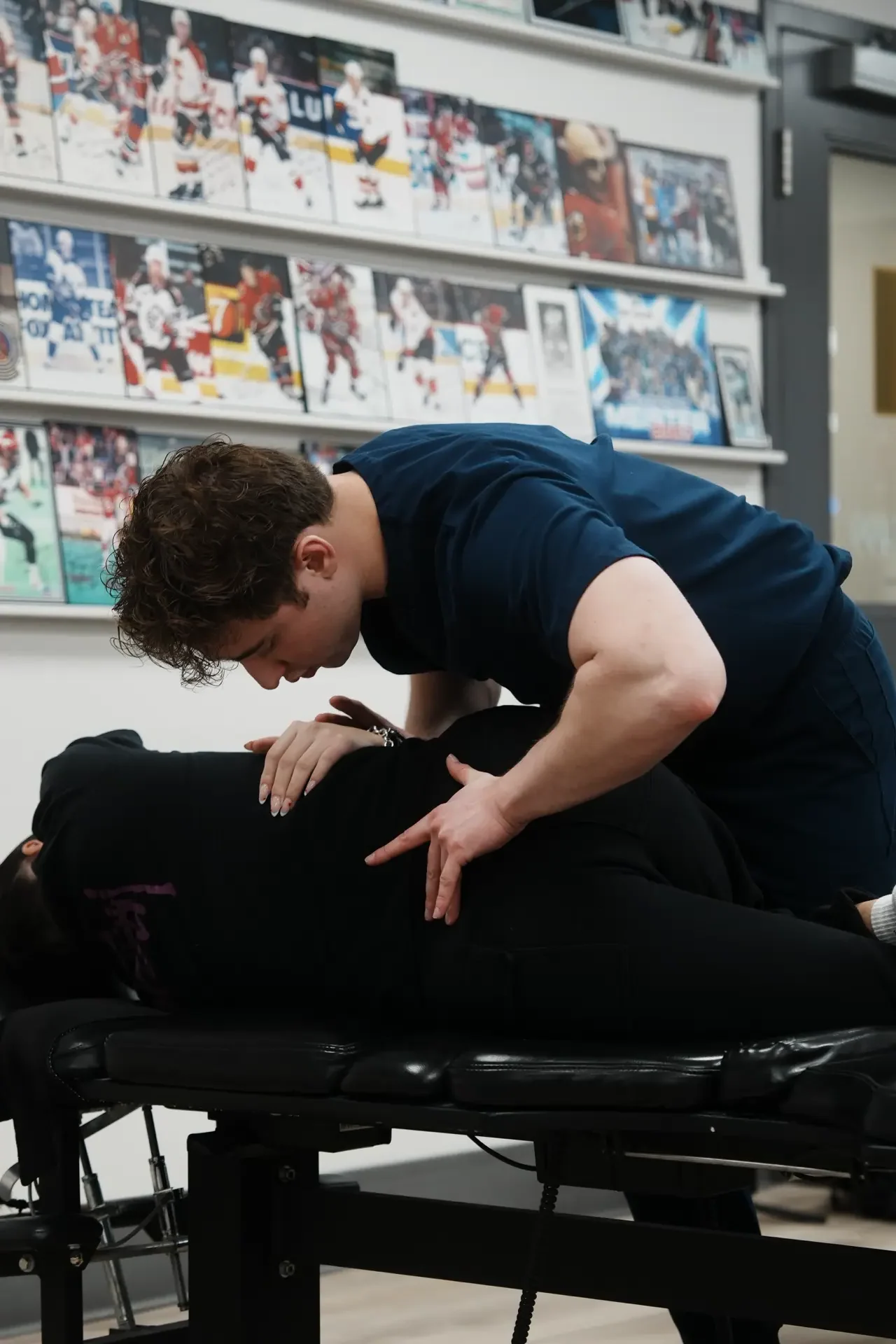
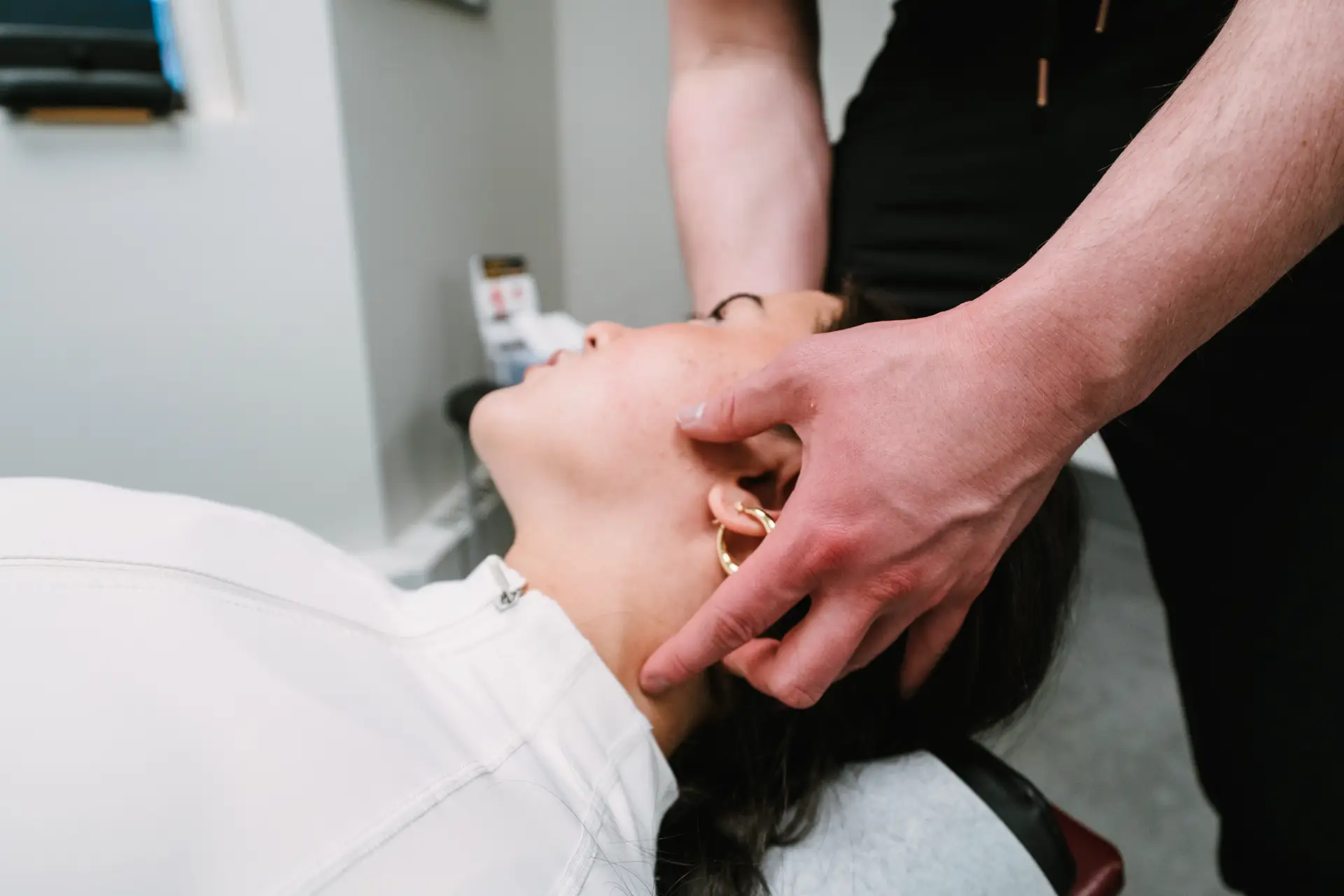
Chiropractic adjustments restore proper alignment and function to joints affected by soft tissue injuries. When damage limits joint mobility or creates compensatory patterns elsewhere in the body, chiropractic care addresses the underlying mechanical issues.
Recovery time varies depending on injury severity, age, and overall health. Here's a general timeline to guide expectations:
Phase 1 — Acute Management (Weeks 1–3)
Focus is on reducing inflammation and protecting the injured tissue. Rest, ice, and compression are primary tools.
Phase 2 — Movement Restoration (Weeks 3–6)
Gradual reintroduction of movement and light therapeutic intervention to prevent stiffness and promote healing.
Phase 3 — Progressive Strengthening (Weeks 6–12)
Targeted strengthening exercises restore function and prevent future injury.
Phase 4 — Return to Full Activity (3+ Months)
Activity-specific conditioning and injury prevention strategies support a complete return to sport or work.
Minor strains may heal within 2–4 weeks with proper care. More severe injuries can require several months of consistent treatment and rehabilitation.
Prevention is always preferable to treatment. By implementing a few smart habits, you can significantly reduce your injury risk.
Practical Prevention Strategies
While minor soft tissue injuries can often be managed at home, it's important to seek professional evaluation if:
At Shephard Health, our team of experienced healthcare professionals combines traditional chiropractic care with cutting-edge therapeutic technologies. We conduct thorough assessments to understand your specific injury and build personalized treatment plans designed to accelerate healing and restore your quality of life.
Our comprehensive approach doesn't just address the immediate injury — we identify the underlying factors that contributed to it, reducing the risk of future problems and supporting your long-term wellness.
Same Day Appointments Available
We Direct Bill!