

Active Release Technique can reduce pain and improve range of motion for many running-related soft-tissue problems, but it works best as part of a broader rehabilitation plan rather than a standalone fix. Evidence from systematic reviews supports short-term gains in pain and mobility, though it is not a substitute for strength work and load management. If tightness or a mobility loss keeps interrupting your training, an assessment is a reasonable next step.
TL;DR:
- For shin splints, combine calf and soleus mobility work with training load changes and foot or ankle strengthening to address contributing factors.
- Bone stress injuries, stress fractures, and major tendon ruptures need medical evaluation first; numbness, weakness, persistent swelling, or night pain also calls for review.
- A typical course involves two to six sessions; each appointment lasts 30 to 60 minutes, with 15 to 30 minutes of treatment during active movement.
- Build your return to running around supervised strength work and gradual mileage increases of roughly 10% to 20% weekly, rather than resuming full training.
- After treatment, a flare that settles within 24 hours and stays at or below 3 out of 10 generally supports continuing progression.
Tight, sore or stuck? Start with a $67 new patient visit
A chiropractor assesses the soft tissue and nerve involved and treats it the same day when it is safe. See Active Release Technique in Calgary. Book online.
Active Release Technique is a dry, movement-based manual therapy. A practitioner applies targeted tension to a muscle, tendon, or fascial adhesion while you actively move through the motion that reproduces your symptoms. That combination, tension plus active movement, is what sets it apart from most hands-off recovery tools.
For runners, this matters because many overuse injuries involve tissues that have stopped sliding properly against each other. Restoring that sliding surface can improve muscle activation and joint range of motion, which in turn makes strength and gait work more effective once you add it in.
Here is how ART compares with two common alternatives:
Not every running injury responds the same way, and expectations should shift by condition rather than assuming a universal fix.
A 2020 systematic review of nine studies found that ART was associated with statistically significant improvements in pain and range of motion across the included research, with disability outcomes improving less consistently.
These benefits have limits. Bone stress injuries, stress fractures, and major tendon ruptures require medical or surgical evaluation first. ART is not an appropriate first-line treatment for any of those, and a practitioner who understands running injuries should recognize when a referral is the right call.
The clinical evidence on ART is encouraging for short-term relief, though it comes with real limitations worth understanding before you set expectations.
Systematic reviews covering ART research have consistently found improvements in pain and range of motion across the studies examined, with disability outcomes measured less often and showing more mixed results. A separate 2022 review of running-related knee injury management concluded that manual and soft-tissue therapies like ART tend to produce short-term gains in pain, mobility, and function, but that evidence for long-term injury prevention is limited unless manual therapy is paired with structured exercise and a graded return-to-run plan.
| Evidence source | Outcome measured | Finding |
|---|---|---|
| PubMed systematic review | Pain and range of motion | Significant short-term improvements reported across included studies |
| BJSM knee injury review, 2022 | Pain, ROM, function, prevention | Short-term gains supported; long-term prevention evidence limited without exercise integration |
The main gaps across this research are small sample sizes, inconsistent dosing and reporting between studies, limited long-term follow-up, and control groups that vary widely in design. The clinical takeaway holds up regardless: ART has reasonable support for short-term symptom and mobility improvement, while preventing future running injuries still depends primarily on active rehabilitation.
A typical ART visit starts with a regional assessment to identify which tissues are restricted and which movements reproduce your symptoms. From there, the practitioner applies ART directly to the affected area while guiding you through the specific motion that triggers your issue, followed by home exercises and advice on adjusting your training load.
Most runners need an initial course of two to six sessions depending on how long the problem has been present and how severe it is. Some improvement in range of motion or pain often shows up immediately, but durable change usually takes several weeks of combined ART and active rehab.
Pro Tip: Track your pain and mobility before and after each session so you and your practitioner can judge whether the plan is actually working, not just whether it feels better in the moment.
Watch for red flags that call for a medical review rather than continued manual therapy alone: numbness or weakness, swelling that will not settle, or pain severe enough to wake you at night.
ART works best as one piece of a structured plan rather than a therapy you repeat indefinitely without changing anything else. Pairing it with the right exercise and progression strategy is what turns short-term relief into a durable fix.
The core elements to build around ART include:
A 2024 meta-analysis of exercise-based prevention programs found that supervised, structured exercise reduced injury risk more reliably than unsupervised programs, reinforcing that compliance and supervision matter as much as the exercises themselves.
Pro Tip: If your symptoms flare after a session but settle within 24 hours and stay at or below a 3 out of 10 on a pain scale, that is generally a reasonable sign to continue your progression rather than pull back entirely.
A practical sequence looks like this: assessment, ART sessions targeting the restricted tissue, prescribed strengthening exercises, a follow-up reassessment, and a staged return to your normal running volume.
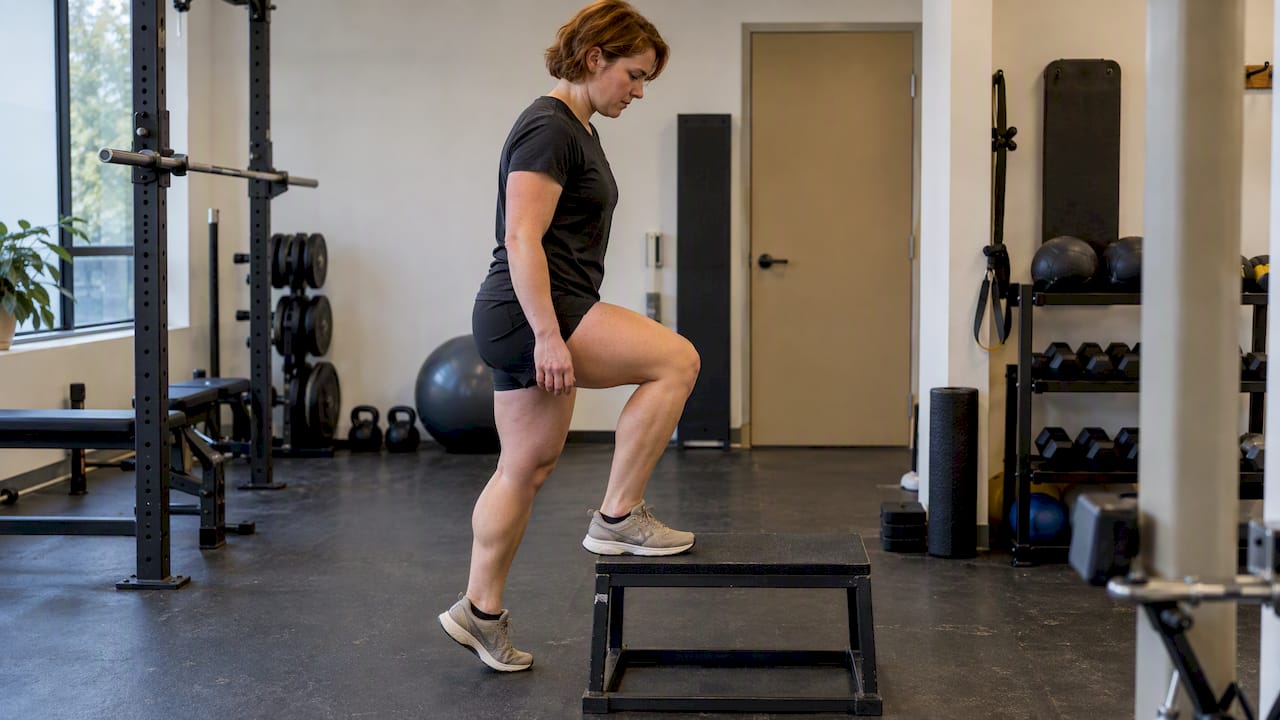
A few recurring errors limit how much lasting benefit runners get from ART.
Cross-sport experience backs this pattern. In Brazilian Jiu-Jitsu, tapping early and controlling sparring intensity is a similar principle: early intervention and smart load management prevent minor issues from becoming recurring ones, whether the sport is grappling or running.
We treat ART as a genuinely useful tool, not a cure-all, and that distinction matters more than most marketing around manual therapy admits. The technique earns its place because it addresses a specific mechanical problem, restricted tissue that will not glide properly, better than passive modalities alone. But runners who expect ART to replace strength training or sensible mileage progression are setting themselves up for the same injury to resurface in a different form.
The honest position is this: ART is one input into a rehabilitation pathway, not the pathway itself. Used that way, alongside the right exercises, load adjustments, and follow-up, it holds up well against the evidence.
— Deane
We use Active Release Technique as part of individualized rehabilitation plans that also draw on strengthening, shockwave therapy, and other evidence-based tools depending on what your assessment shows. We build each plan around your specific biomechanics and goals rather than applying one template to every runner, and we see ART as one valuable piece of a supervised rehab pathway rather than a treatment that stands alone.
If persistent tightness or a mobility loss is interrupting your training, a direct conversation with a practitioner beats guessing from a screen. We offer Active Release Technique with same-day appointment availability and direct insurance billing, so getting assessed does not have to wait weeks.

For your first visit, it helps to bring:
A typical first visit includes a movement assessment, hands-on ART work targeting the restricted tissue, and a plan for exercises and training adjustments to take home. You can review our services overview to see how ART fits alongside our other treatment options.
Research supports ART for short-term improvements in pain and range of motion, with systematic reviews finding consistent gains across multiple small studies. It works best when combined with strengthening and load management rather than used on its own.
No single method covers every recovery need, but combining manual therapy like ART with progressive strength work and careful mileage increases gives the most consistent results. Supervised exercise programs have shown more reliable injury reduction than unsupervised approaches.
Many runners notice some change in pain or mobility within a session or two, but lasting improvement for chronic tissue restriction usually takes a short course of two to six sessions combined with home exercises. Severity and how long the problem has been present both affect the timeline.
Active Release Technique is a dry, movement-based manual therapy where a practitioner applies targeted tension to a restricted muscle, tendon, or fascial adhesion while you actively move through the motion that reproduces your symptoms. This combination of pressure and active movement is meant to restore normal tissue sliding and range of motion.
Same Day Appointments Available
We Direct Bill!