

Graston Technique is a branded form of instrument-assisted soft tissue mobilization, or IASTM, that uses contoured stainless-steel tools to detect and treat restrictions in muscle, fascia, and scar tissue. Clinicians typically use it to reduce short-term pain and improve range of motion, and the best results appear when it is paired with progressive exercise rather than used on its own. Think of it as one part of your recovery plan, not the whole plan.
TL;DR:
- Graston Technique provides short-term pain relief and improves range of motion, especially when combined with a structured exercise program over several weeks.
- Sessions typically last 15 to 20 minutes, involve tissue mapping and targeted treatment strokes, with immediate reassessment guiding subsequent exercises.
- The evidence shows significant short-term benefits, but larger, condition-specific studies are needed to determine which patients benefit most and by how much.
- It is most effective for soft tissue issues like tendinopathies and plantar fasciitis and should be avoided with open wounds, fractures, or active infections.
- Proper clinician certification and experience are essential for safe application, with treatment often integrating into broader rehabilitation plans.
Tight, sore or stuck? Start with a $67 new patient visit
A chiropractor assesses the soft tissue and nerve involved and treats it the same day when it is safe. See Active Release Technique in Calgary. Book online.
Graston Technique belongs to a broader category of manual therapy called instrument-assisted soft tissue mobilization. Instead of using hands alone, your clinician glides specially designed stainless-steel instruments across the skin to find areas of tension, adhesion, or scar tissue that feel different from the surrounding tissue. The instruments were developed in the 1990s after an athlete and engineer worked with clinicians to build tools that could apply more consistent pressure than hands, while also transmitting subtle vibrations back to the practitioner’s fingers, a kind of tactile feedback that helps locate problem areas more precisely.
The instruments come in several shapes, each suited to a different body region or tissue depth. Clinicians use them to perform two main types of strokes.
Clinicians favor instruments over hands alone because the tools can sustain pressure longer without fatigue and provide a more uniform contact surface, which can make it easier to work through denser fibrous tissue.
A typical session follows a fairly consistent sequence, though your clinician will adjust the details to your specific injury and tolerance.
Most sessions address one or two regions and stay under 15 to 20 minutes of instrument-assisted work total, according to clinical guidance from Medbridge. Sessions are usually spaced one to two times per week initially, tapering as symptoms improve. The immediate reassessment matters because it tells your clinician whether the tissue has opened up a usable “motion window,” a short period where movement feels easier and less painful, which is the cue to move into active exercise.
Pro Tip: Ask your clinician to show you the range-of-motion difference before and after treatment. Seeing the change yourself makes it easier to trust the process.
The evidence on Graston and IASTM is more nuanced than marketing materials sometimes suggest, and it is worth understanding both the strengths and the gaps. A 2025 to 2026 systematic review and meta-analysis of randomized controlled trials found that IASTM significantly reduced pain and increased range of motion, with effects that were more stable when IASTM was combined with conventional rehabilitation than when used as a standalone treatment.
A 2025 to 2026 meta-analysis found a pooled effect of roughly SMD −0.84 for pain reduction and SMD 0.80 for range-of-motion gains, according to the systematic review, meaning the short-term improvements were meaningful in size, though functional gains (how well people perform daily tasks) were smaller and more variable across conditions.
Not every trial tells the same story. A fully powered randomized controlled trial comparing Graston Technique, spinal manipulation, and placebo for non-specific thoracic spine pain found no meaningful differences between groups in pain or disability over 12 months. All three groups improved over time, which suggests some of the benefit patients experience may come from factors beyond the instrument itself, such as attention, movement, or natural healing.
Two points stand out from the current body of evidence:
Graston is most commonly used for soft tissue conditions where restricted movement and localized tissue changes are part of the problem.
The rationale is fairly practical: by reducing pain sensitivity and opening a short window of easier movement, Graston can make it possible to load tissue more effectively through exercise, which is where lasting change tends to happen. It is not a stand-alone fix for chronic movement patterns or strength deficits. Patients who do best are typically those who pair sessions with a structured exercise program and realistic expectations, since noticeable improvement in pain or motion often develops over two to six weeks rather than after a single visit.
Certain conditions rule out Graston Technique entirely, while others call for caution and clinician judgment.
Clinical safety guidance lists these restrictions as consistent with general soft tissue mobilization precautions, according to published clinical guidance. Your clinician should ask about your health history before every session and document any unusual reactions, including excessive petechiae (small red spots from broken capillaries) or pain that feels sharper or different from expected soreness.
Mild redness, small bruises, or tenderness in the treated area are normal and usually fade within three to fourteen days. Some soreness afterward is common, similar to how muscles feel after a deep massage or a hard workout.
Most treatment courses run several weeks, with progress checked regularly. Reach out to your clinician if soreness feels unusually intense or lasts longer than expected.
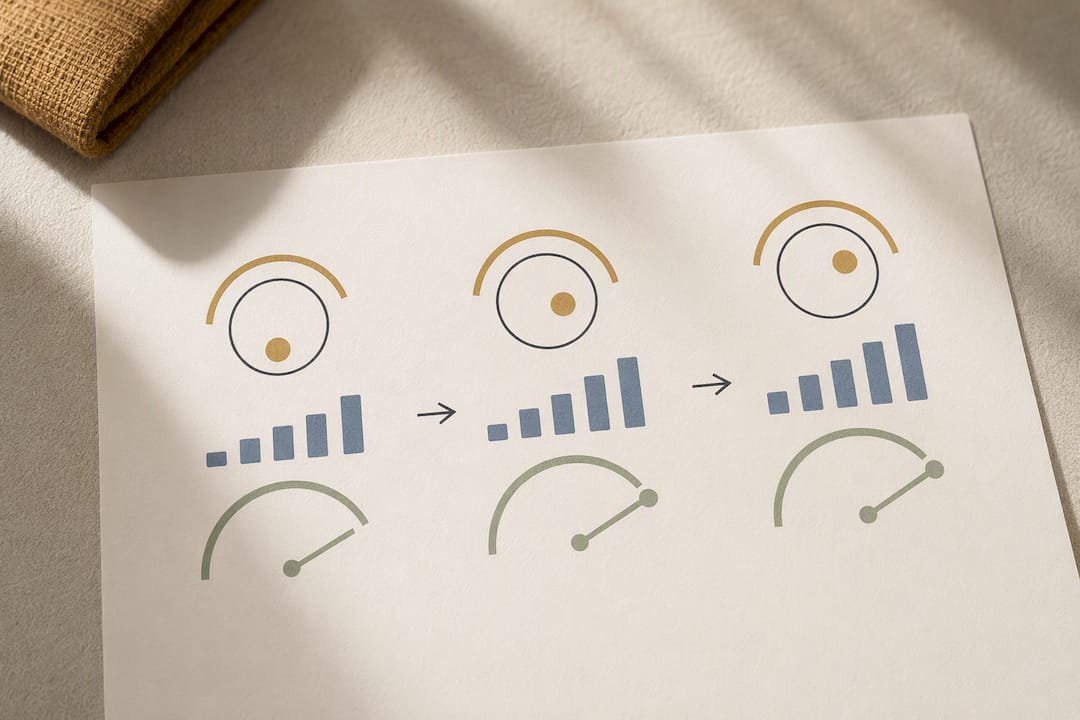
Graston works best as the opening move in a session, not the entire session. Once your clinician confirms an improved motion window, the next step is loading that tissue through targeted movement while the window is open.
For Achilles or plantar heel pain, this might mean starting with gentle ankle mobility drills the same day, then progressing toward calf-loading exercises over two to four weeks. For shoulder restrictions, early passive range-of-motion work often gives way to resistance band strengthening as symptoms settle. Clinicians typically document these sessions under manual therapy billing codes and track objective measures, like degrees of motion or pain scores, alongside the functional task the treatment was meant to support.
Pro Tip: Track your pain and motion numbers session to session. Small, steady gains matter more than any single dramatic change.
Formal training matters here. Graston Technique requires hands-on certification, and clinicians who skip proper instruction risk applying too much pressure or missing contraindications altogether. Authentic instruments and a clinician’s documented experience with the technique are reasonable quality signals when you are evaluating a provider.
Before booking, it helps to ask a few direct questions.
This clinic treats Graston Technique as one tool within a broader plan, not a stand-alone solution. It is paired with targeted exercise for patients ranging from weekend athletes to those recovering from workplace injuries, with same-day booking and direct insurance billing available.
— Deane
If you are weighing Graston against other soft tissue options, the real question is not which technique sounds most advanced. It is whether the treatment is paired with a plan built around your specific movement goals. Shephard Health offers Graston Technique as part of individualized rehabilitation plans that combine instrument-assisted work with progressive exercise, so the short-term motion window it creates actually gets used.

If you want to know whether Graston fits your recovery plan, book an assessment with Shephard Health or ask our team about your insurance coverage before your first visit.
This article is general information, not a substitute for advice from a qualified doctor. Consult a qualified healthcare professional about your own circumstances before acting on anything here.
Pricing for Graston Technique depends on the clinic and your treatment plan, and Shephard Health does not publish a flat rate since sessions are tailored to your condition. Contact the clinic directly, or ask about direct insurance billing options before booking.
The most common reactions are mild bruising, redness, and temporary soreness in the treated area, which usually resolve within a couple of weeks. More serious risks are rare but include excessive bruising or skin irritation, which is why clinicians screen for contraindications like open wounds, blood clotting disorders, or unhealed fractures beforehand, according to clinical safety guidance.
Graston is designed to mechanically stimulate and mobilize restricted tissue, including areas affected by scar formation, though it does not physically destroy or remove scar tissue. Research suggests the mechanism likely involves changes in tissue sensitivity and fibroblast activity rather than a literal breakdown of scar material, based on preclinical findings summarized by Medbridge.
For many patients dealing with tendinopathy, restricted motion, or soft tissue tightness, Graston can offer measurable short-term improvements in pain and range of motion when paired with exercise, according to a systematic review and meta-analysis. It is not a guaranteed fix on its own, and results tend to be strongest when combined with a structured rehab program rather than used in isolation.
Same Day Appointments Available
We Direct Bill!