

Most over-the-counter insoles hold up for 6 to 12 months of daily wear, while custom orthotic shells typically last 2 to 5 years with the top cover wearing out sooner, around 1 to 2 years. The signal that actually matters more than any calendar date is your body: when the pain you originally treated starts creeping back, that is your cue to get the device checked. An annual evaluation, whether at Shephardhealth or elsewhere, catches shell and cover wear before it undoes your progress.
TL;DR:
- Orthotic shells generally last 2 to 5 years, with foam insoles wearing out after 6 to 12 months, depending on activity and material quality.
- Regular evaluations, ideally annually, can detect early signs of wear such as cracks, flattening, or pain recurrence, preventing further issues.
- Activity level, body weight, gait, and daily wear time significantly influence the lifespan of an orthotic, with more demanding use shortening durability.
- Rotating pairs, avoiding heat exposure, and considering refurbishment can extend the life of custom orthotics and prevent premature replacement costs.
- Children typically need new orthotics every 6 to 12 months driven by growth rather than material fatigue.
Foot, ankle or calf pain? Start with a $67 new patient visit
A chiropractor assesses the foot, ankle and lower leg, treats on day one when it is safe, and builds a recovery plan. See foot and ankle care in Calgary. Book online.
Your answer depends almost entirely on what the orthotic is made of and how it was built. A rigid custom shell and a soft foam insert age at completely different speeds, even when they sit in the same shoe.
Here’s how the categories typically break down:
High-density materials like carbon fiber or stiff polypropylene push toward the longer end of these ranges, especially if you are not putting in heavy daily mileage. Someone who wears orthotics mainly for occasional walks will get noticeably more life out of a shell than someone standing on concrete for eight hours a day.
Two people can buy the identical orthotic and get completely different lifespans out of it. The material sets the ceiling, but your habits decide how close you get to it.
Construction matters most. A rigid shell resists the kind of wear that destroys foam, which is why prescription orthotics vary so much by material and use. Foam and gel top covers compress under repeated load in a process called material creep. Every step pushes the cushioning cells down a little further until they stop springing back, which is why the top layer almost always fails before the shell does.
Activity level changes everything. Runners, retail workers, nurses, and anyone logging long-standing hours put far more cumulative load on an orthotic than someone with a desk job. Two pairs bought the same week can end up years apart in usable life just based on how they were used.
Body weight and gait also play a role. Heavier body weight and mechanical issues like overpronation increase compressive force with every step, accelerating the exact material creep that flattens top covers early.
Daily wear time counts too. If you wear one pair 12 hours a day, you are compressing that foam roughly twice as often as someone who wears orthotics for a 6 hour shift. Rotating between two pairs gives foam time to decompress and recover between wears, which meaningfully extends how long each pair lasts.
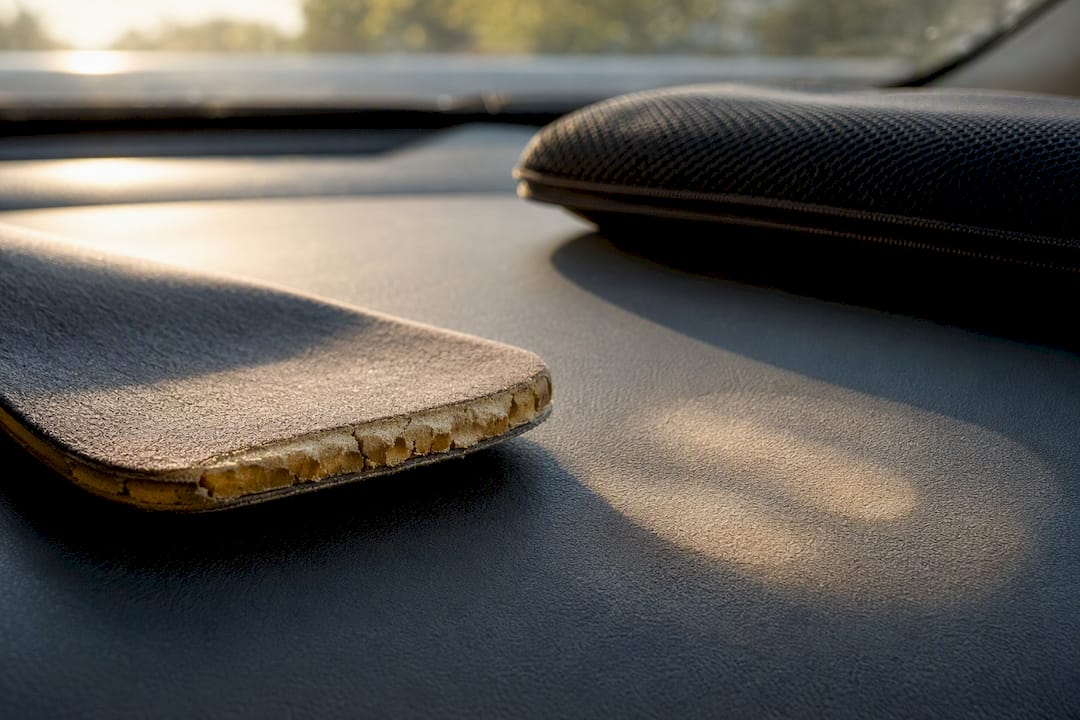
Pro Tip: Heat is the enemy of adhesives and foam. Leaving orthotics in a hot car dashboard or tossing them in the dryer speeds up breakdown far faster than normal walking ever would.
Waiting for a device to visibly fall apart is the wrong strategy. Most orthotics send warning signs well before they stop working, and catching them early saves you from weeks of unnecessary pain.
Kids wear through orthotics on an entirely different clock than adults. Growth, not material fatigue, is usually what forces the change.
Clinical practice generally treats fit, not wear, as the deciding factor for kids. A shell that still looks brand new can be functionally useless the moment a growing foot no longer sits correctly inside it.
A little daily care buys you real months, sometimes years, before you need a replacement. None of it takes more than a few minutes.
Refurbishment in practice: clinicians can often assess whether your shell has enough life left to justify a new top cover rather than a full replacement, which is one of the more overlooked cost-saving options in orthotic care.
An annual check makes sense even when your orthotics feel completely fine. Compression and micro cracking happen gradually, and you often will not notice the change until it has already affected your gait.
A clinical evaluation typically covers checking your orthotics’ fit and condition, with detailed knowledge of opornice in stezniki to guide replacement decisions.
Weight changes, a shift in activity level, or a recent foot or ankle injury can all be reasons to revisit your prescription entirely rather than just replacing what you already have. If you had custom orthotics made for a specific condition, a checkup also confirms the device is still addressing that issue and not just filling space in your shoe.
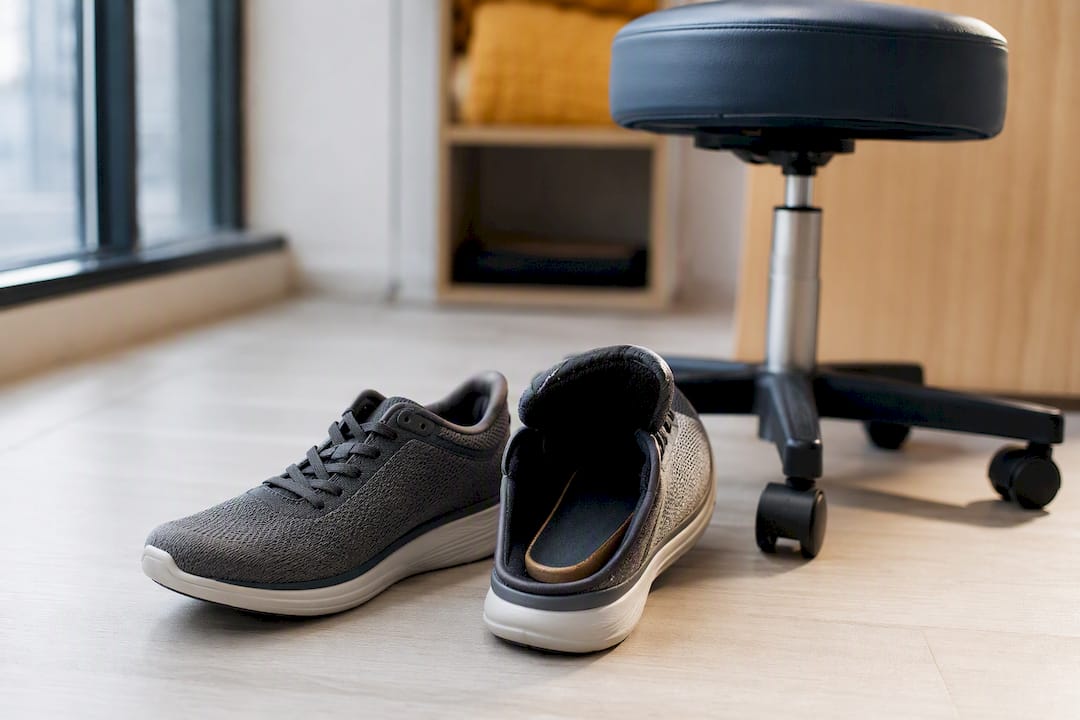
Pro Tip: Bring your everyday shoes to the appointment. A clinician checking fit without the actual footwear you wear ten hours a day is only getting half the picture.
Calendars are a rough guide at best. Mileage, weight, and how many hours a day you spend on your feet will tell you more about when to replace orthotics than any generic timeline ever could. What we consistently see is that the shell outlasts the cover by a wide margin, so refurbishing before replacing is almost always worth asking about first. Budget for a top cover swap every couple of years and a full reevaluation annually, and you will rarely be caught off guard by a shell that quietly failed months earlier.
— Deane
Shephardhealth gives you a direct clinical alternative to guessing whether your orthotics still fit the job: an in-person evaluation that checks shell integrity, top cover wear, and your current gait in one visit, with refurbishment offered when a full replacement isn’t necessary yet.

Appointments include a review of your original prescription against how your weight, activity, and any recent injuries may have changed since your last fitting, with insurance billing available where applicable. If your feet, knees, or lower back have started acting up again, it’s worth finding out whether the orthotic is still doing its job or whether a change elsewhere in your mechanics is worth investigating. You can start with custom foot orthotics or explore how chiropractic care fits into a broader plan for pain that hasn’t fully resolved. Book an evaluation to get a clear answer instead of another guess.
This article is general information, not a substitute for advice from a qualified doctor. Consult a qualified healthcare professional about your own circumstances before acting on anything here.
Look for a flattened, crunchy top cover, visible cracks or warping in the shell, and the return of the original pain that led you to orthotics in the first place.
Some people transition off orthotics once underlying strength, alignment, or gait issues improve, but that decision should come from a clinical evaluation rather than simply stopping on your own.
Replace OTC insoles roughly every 6 to 12 months, custom top covers every 1 to 2 years, and custom shells every 2 to 5 years, sooner for kids whose shoe size keeps changing.
Costs vary widely by material and whether you need a full custom shell versus a top cover refurbishment; consult your clinic for pricing and insurance billing details during a fitting.
Same Day Appointments Available
We Direct Bill!