

Spend the first day after your session resting with short, frequent walks, and skip anything involving bending, lifting over a light weight, or twisting for the next few days. Use acetaminophen or an NSAID as directed for soreness, and call your clinic promptly if you notice new numbness, weakness, or changes in bladder or bowel control. Shephard Health builds every aftercare plan around these basics, then adjusts based on how you respond.
TL;DR:
- Short, frequent walks of five to ten minutes are recommended multiple times daily, avoiding prolonged sitting or strenuous activities during the first week.
- Avoid bending, lifting over ten pounds, and twisting movements especially in the first two weeks to prevent reloading the targeted tissues.
- Most patients can gradually increase walking distance from weeks 2 to 6, with heavier lifting and higher-impact activities delayed until confirmed safe by a clinician.
- Neurological symptoms like worsening numbness, weakness, or loss of bladder or bowel control require immediate medical attention, not delayed visits.
- Managed pain through ice, heat, and medication timing, combined with supportive tools and safe movements, enhance recovery flow and reduce complications.
The first two to three days after non-surgical spinal decompression are about balance. Too much rest stiffens the joints and muscles your session just worked to free up; too much activity can undo the relief you felt walking out of the clinic. Hospital-style patient education consistently frames this window the same way: stay gentle, stay moving, and avoid strain.
Walk often, but keep it short. Five to ten minutes, several times a day, beats one long walk that leaves you sore. Between walks, rest in a comfortable position rather than sitting still in one chair for hours.
This is also when BLT precautions matter most, bending, lifting, and twisting are the three motions most likely to reload the exact tissues your treatment targeted. Practical examples make this concrete:
At night, sleep on your side or back with a pillow between your knees or under your knees to keep your spine neutral. A firmer mattress or a rolled towel under the low back can add support without extra cost. If your acetaminophen or NSAID dose makes you drowsy, don’t drive until you know how you respond to it.
Progress after spinal decompression rarely happens in a straight line, but a general pattern holds across most patients following hospital and clinic guidance on activity progression.
Air travel and long car rides deserve a specific mention: if a flight or drive falls inside those first two weeks, plan for stops every hour to walk and change position. Ask your clinician before booking anything that involves sitting still for more than 90 minutes early in recovery.
Most soreness after spinal decompression settles with rest, movement, and basic pain control. A smaller set of symptoms means don’t wait for your next appointment.
Medical guidance is consistent on this point: contact your provider for unexpected neurologic changes rather than waiting it out. If you’re unsure whether a symptom qualifies, Shephard Health’s guide to when a visit is warranted can help you decide, and the clinic’s risk information outlines what to watch for after treatment.
Ice and heat both have a place, and timing is what separates a helpful routine from a random one. Ice works best in the first 24 to 48 hours after any flare, 15 to 20 minutes at a time, to calm inflammation. Heat suits ongoing stiffness once acute soreness has faded, applied for similar intervals before movement or stretching.
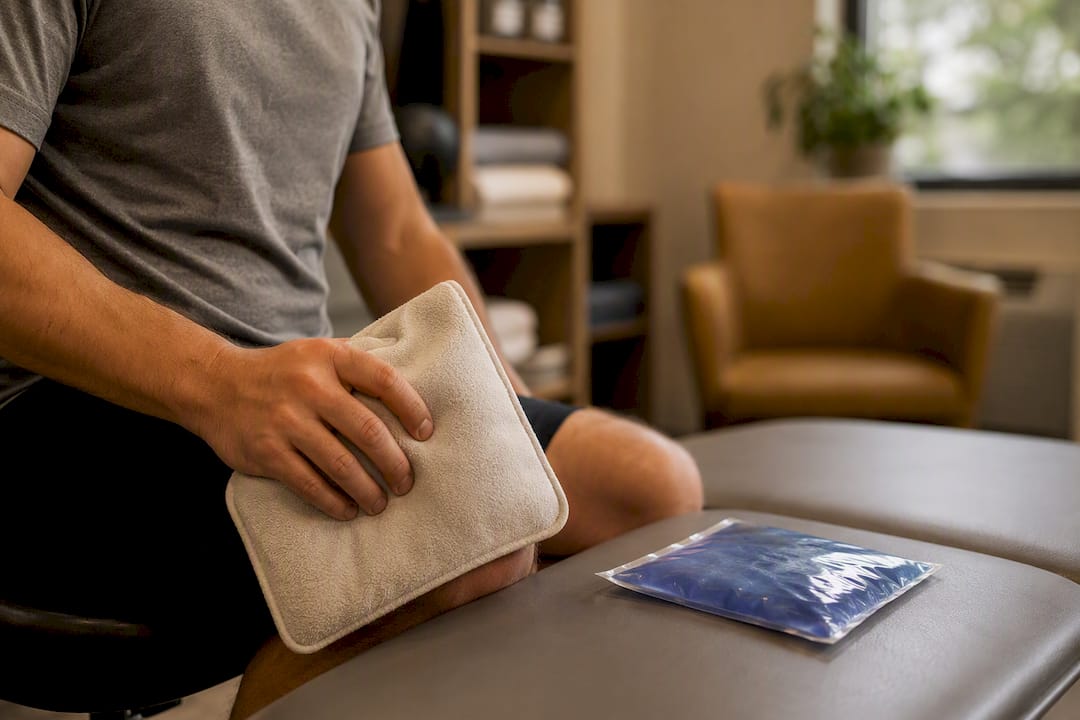
For medication, acetaminophen is a reasonable first-line option for general soreness. NSAIDs like ibuprofen or naproxen can help with inflammation-driven pain, but follow the label and your clinician’s specific direction, especially if you have kidney issues, stomach sensitivity, or take other medications. Neither should become a daily habit without your provider’s input.
A few low-cost tools make daily tasks easier on your back:
Pro Tip: Take your pain medication about 30 to 45 minutes before your walk or exercise session, not after. Staying ahead of the pain keeps you moving through your full routine instead of cutting it short.
Movement, done correctly, protects the progress your decompression session created. NHS-style physiotherapy guidance points to a short set of exercises that consistently show up in early recovery programs.
Watch for nerve-glide sensations, tingling or shooting pain down a leg or arm, and stop immediately if any exercise reproduces or worsens it. When getting in or out of bed, use a log-roll: roll onto your side first, then push up with your arms rather than twisting up from your back. The same principle applies to dressing; sit down and bring clothing to you instead of bending and reaching. A curated exercise library can offer additional form guidance once your clinician has cleared specific movements.
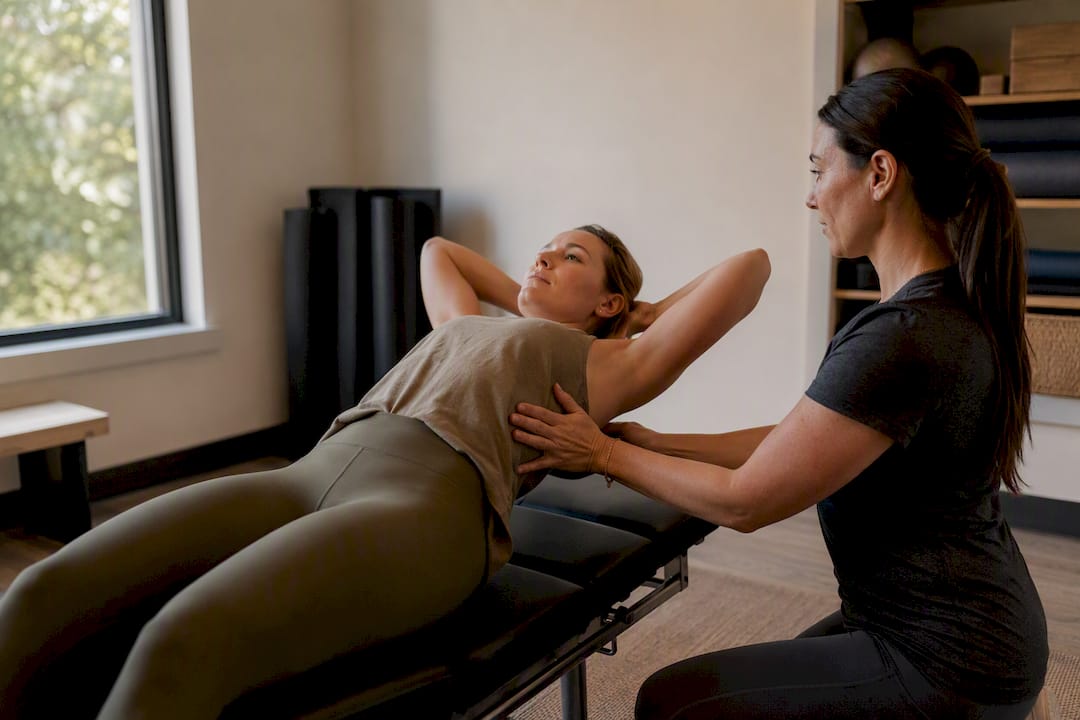
Most clinics schedule a first follow-up within one to two weeks of treatment to check how you’re responding. Physiotherapy referral, when appropriate, tends to happen around the same window or shortly after, once your clinician has a clear picture of your baseline function.
At that visit, expect your provider to check:
If progress stalls or new neurologic symptoms appear, your clinician may order imaging or refer you to a specialist for a closer look before continuing rehab.
The treatment itself is only half the equation. What you do in the days and weeks after matters just as much, and this is where a lot of patients quietly undermine their own progress, either by resting too aggressively out of caution or pushing back into old habits too soon. Shephard Health builds individualized aftercare plans because a construction worker and a desk-based parent recovering from the same session need different guidance on lifting, sitting, and return-to-activity timing. Clinic follow-up isn’t a formality; it’s how your provider catches small setbacks before they become recurring pain. If you’re unsure whether your recovery is on track, supervised rehab beats guesswork every time.
— Deane
If you’re past your first decompression session and wondering what comes next, Shephard Health is set up to manage that entire recovery arc under one roof, not just the initial treatment. Same-day appointments mean you don’t wait weeks for a follow-up when a new symptom or plateau shows up, and direct insurance billing removes the paperwork headache from an already busy week.

Beyond spinal decompression, the clinic’s Active Release Technique and guided physiotherapy sessions support the exact strengthening phase this aftercare plan describes, tailored to your job, your activity level, and how your body responded to your first round of treatment. If you’re still deciding whether decompression fits your situation, the candidacy overview walks through what to expect. Ready for your next session or a follow-up check? Book directly through the spinal decompression service page and get a specific plan for where you are in recovery.
This article is general information, not a substitute for advice from a qualified doctor. Consult a qualified healthcare professional about your own circumstances before acting on anything here.
Same Day Appointments Available
We Direct Bill!